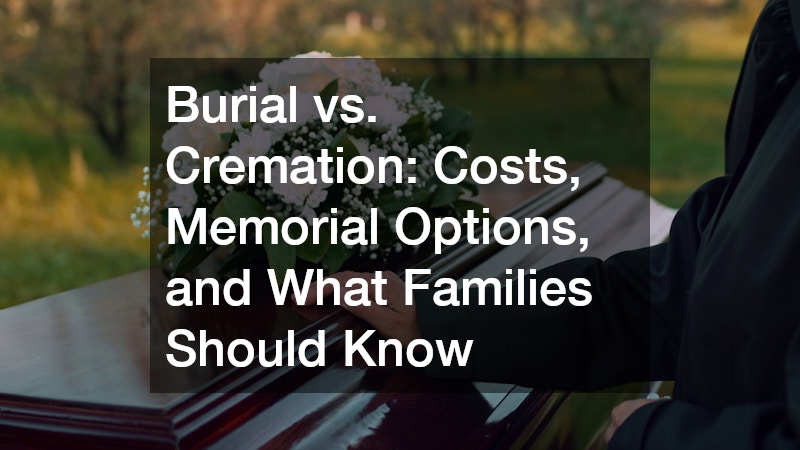
When families are faced with end-of-life decisions, one of the most important choices they must make is whether to choose burial or cremation. This decision often comes during an emotional time, and it involves more than just personal preference. Costs, memorial options, religious beliefs, and long-term planning all play a role. Understanding the differences between these options can help families make informed, meaningful decisions that honor their loved one.
Burial and cremation are the two most common methods of handling remains after death. Traditional burial typically involves placing the body in a casket and interring it in a cemetery, while cremation involves reducing the body to ashes through heat.
Each option offers unique benefits. Burial is often chosen for its traditional and cultural significance, while cremation has become increasingly popular due to flexibility and lower costs. The choice ultimately depends on family preferences, religious considerations, and long-term plans for remembrance.
Working with a funeral home is often the first step in either process. Funeral directors guide families through arrangements, paperwork, and service planning, helping to ensure that everything runs smoothly during a difficult time.
Comparing Costs and Financial Considerations

Cost is one of the most significant factors influencing the decision. Traditional burial tends to be more expensive due to several components, including the casket, cemetery plot, vault, and ongoing maintenance fees. Additional services such as embalming and viewing can further increase costs.
In contrast, cremation is generally more affordable. It eliminates the need for a burial plot and vault, and families can choose simpler containers instead of elaborate caskets. However, costs can still vary depending on the type of service selected. A full-service cremation with a memorial ceremony may cost more than a direct option without a formal gathering.
Beyond immediate expenses, families should also consider long-term financial planning. Consulting an estate planning attorney can help ensure that arrangements are aligned with legal documents such as wills and trust. Planning ahead can reduce financial strain on surviving family members and ensure that final wishes are clearly documented.
It is also worth noting that pre-planning and pre-paying for services can lock in current prices and avoid inflation-related increases. Many providers offer flexible payment plans, allowing individuals to spread out costs over time. This proactive approach can be especially helpful for families looking to reduce uncertainty and ensure that everything is handled according to their preferences.
Service and Ceremony Options
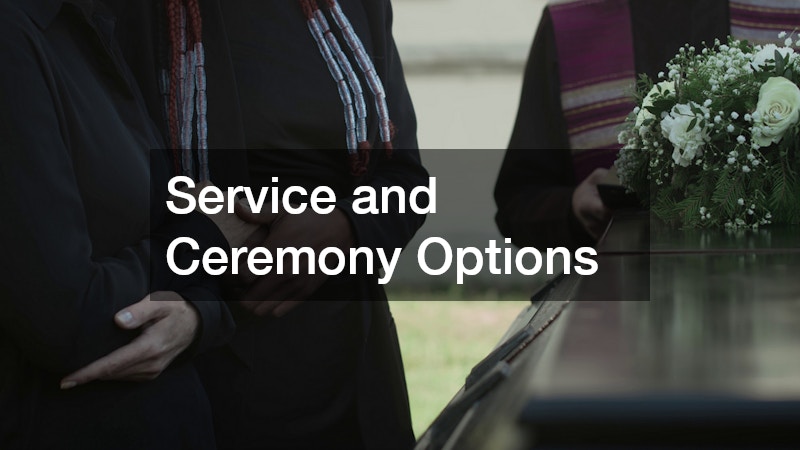
Both burial and cremation allow for meaningful services that celebrate a loved one’s life. Traditional funerals often include a viewing, a formal ceremony, and a graveside service. Floral arrangements, such as a casket spray, are commonly used to create a respectful and comforting atmosphere.
Cremation offers more flexibility in timing and format. Families can hold a memorial service before or after the cremation takes place. Some choose to host gatherings in unique locations or spread ashes in meaningful places, depending on local regulations.
Services today are more customizable than ever. Families can incorporate video tributes, live-streamed ceremonies, and personalized themes that reflect hobbies, careers, or passions. This flexibility allows for a more meaningful and memorable experience for attendees.
Regardless of the method chosen, services can be personalized to reflect the individual’s life, values, and personality. Music, readings, and visual displays all contribute to creating a memorable tribute.
Memorialization and Lasting Tributes
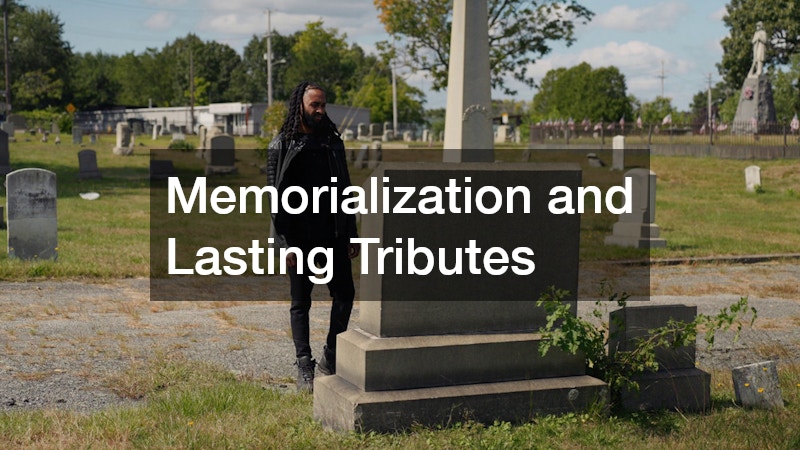
One of the most important aspects of honoring a loved one is creating a lasting memorial. For traditional burials, this often involves selecting a gravestone that marks the final resting place. These markers can range from simple designs to elaborate monuments that include inscriptions, images, and custom shapes.
For families seeking a more personalized tribute, custom monuments offer a wide range of options. These may include unique materials, artistic carvings, or engraved scenes that reflect the individual’s life and legacy. A skilled stone mason plays a critical role in crafting these pieces, ensuring both durability and aesthetic appeal.
Even with cremation, families often choose to create a physical memorial. Some opt for cemetery niches, while others incorporate ashes into keepsakes or decorative items. Memorial benches, plaques, and gardens can also serve as places for reflection and remembrance.
Families may also consider shared memorial spaces where multiple loved ones are remembered together. These spaces can become important gathering points for future generations, preserving family history and connection.
Personalization Through Craftsmanship
Modern memorials go beyond basic inscriptions. Advanced etching services allow for detailed images, portraits, and intricate designs to be added to memorial surfaces. This level of customization helps families create deeply personal tributes that capture the essence of their loved one.
Working with experienced professionals ensures that these details are executed with care. From selecting materials to final installation, craftsmanship plays a key role in creating a memorial that stands the test of time.
Artistic elements such as hand-carved lettering, symbolic imagery, and even QR codes linking to digital memorial pages are becoming more common. These innovations blend tradition with modern technology, offering new ways to honor and remember.
Preserving Memories in Everyday Life
In addition to traditional memorials, many families choose to preserve memories in their homes. A framing service can help display photographs, certificates, or meaningful documents in a way that keeps a loved one’s presence alive. These displays can become cherished focal points, offering comfort and connection long after the service has ended.
Some families also create memory walls or albums that combine photos, letters, and mementos. These personal touches provide ongoing opportunities to reflect and celebrate a life well lived.
Incorporating heirlooms, handwritten notes, or favorite quotes into these displays can make them even more meaningful. Over time, these collections often grow into family archives that preserve stories for future generations.
The Role of Legal Planning
End-of-life decisions are not only emotional but also legal. Proper planning ensures that wishes are respected and that assets are distributed according to the individual’s intentions. Documents such as wills and trust outline how property, finances, and responsibilities should be handled.
An estate planning attorney can guide families through this process, helping them create legally sound documents that minimize confusion and potential disputes. Including funeral and memorial preferences in these plans can provide clarity and peace of mind for everyone involved. This may include specifying whether burial or cremation is preferred, outlining the type of service desired, or even noting personal touches such as music, readings, or floral arrangements.
Planning ahead also allows individuals to make decisions about burial or cremation in advance. This can relieve loved ones of the burden of making difficult choices during a time of grief. When these decisions are documented clearly, families can focus more on honoring their loved one rather than navigating uncertainty or disagreements.
Additionally, clear legal planning can help avoid delays in settling estates and ensure that beneficiaries receive assets efficiently. It also allows individuals to designate guardians, assign powers of attorney, and outline healthcare directives. These directives can include instructions for medical care in the event of incapacity, ensuring that personal values and preferences are upheld even when someone is unable to communicate them directly.
Another important aspect of planning is organizing and documenting financial information, such as account details, insurance policies, and property records. Having this information readily accessible can significantly ease the administrative burden on family members. It can also reduce the risk of overlooked assets or complications during probate.
Ultimately, taking the time to establish a comprehensive plan creates a smoother transition for loved ones. It provides structure during a difficult period, reduces the likelihood of conflict, and ensures that both legal and personal wishes are honored with care and respect.
Emotional Considerations and Family Dynamics
While practical factors like cost and logistics are important, emotional considerations often play an equally significant role. Family members may have different opinions or expectations, which can sometimes lead to conflict during an already difficult time.
Open communication is essential. Discussing preferences in advance can help avoid misunderstandings and ensure that everyone feels heard and respected. In some cases, compromise may be necessary to honor both the wishes of the deceased and the needs of surviving loved ones.
Grief itself can also influence decision-making. Some families prefer the structure and tradition of burial services, while others appreciate the flexibility and simplicity that cremation offers. There is no right or wrong choice—only what feels most appropriate for the situation.
Environmental and Cultural Considerations
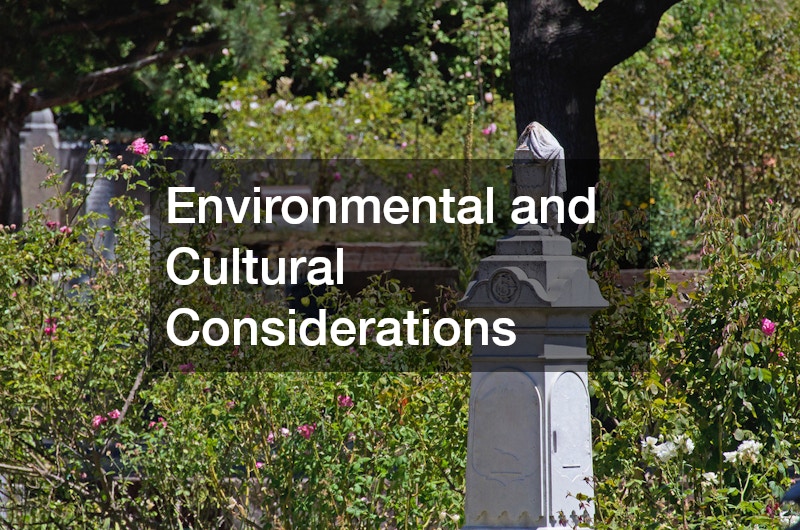
Environmental impact is becoming an increasingly important factor in end-of-life planning. Traditional burial may involve materials and processes that have a larger ecological footprint, while cremation is often viewed as a more space-efficient option. Burial practices often include embalming chemicals, metal or hardwood caskets, and concrete vaults, all of which require energy and resources to produce. Cemeteries themselves also require land use and ongoing maintenance, which can contribute to long-term environmental impact.
Cremation, while often perceived as the more environmentally friendly choice, is not without its own considerations. The process requires significant energy and releases emissions into the atmosphere. However, it generally uses fewer physical resources than traditional burial and does not require land for long-term interment, making it appealing for those concerned about space and sustainability.
However, both methods have environmentally friendly alternatives. Green burials use biodegradable materials and natural settings, allowing the body to return to the earth without the use of chemicals or non-decomposable containers. These burials often take place in conservation cemeteries or designated natural areas, where the land is preserved and maintained in an eco-conscious way. This approach not only reduces environmental impact but can also create a more natural and serene resting place.
On the cremation side, newer technologies are being developed to reduce emissions and energy use. Options such as water-based processes, sometimes referred to as alkaline hydrolysis, offer a lower-impact alternative to traditional methods. Families interested in sustainability may also choose biodegradable urns or scatter ashes in environmentally sensitive ways that comply with local regulations.
Beyond the method itself, other choices can also influence environmental impact. For example, selecting locally sourced materials for memorials or working with a stone mason who prioritizes sustainable practices can help reduce the overall footprint. Similarly, choosing simpler designs for a gravestone or opting for minimalistic custom monuments can limit resource use while still providing a meaningful tribute.
Cultural and religious beliefs also play a significant role. Some traditions strongly favor burial, while others are more accepting of cremation. These beliefs often stem from deeply rooted values about the body, the afterlife, and the appropriate ways to honor the deceased. Understanding these perspectives can help families make choices that align with their values and heritage while still considering modern environmental concerns.
In multicultural families, it may be helpful to consult religious or community leaders for guidance. This can ensure that traditions are respected while still accommodating modern preferences. Open discussions among family members can also help bridge differences and create a plan that honors both cultural identity and personal values.
Ultimately, balancing environmental responsibility with personal, cultural, and emotional priorities is key. By exploring all available options and seeking guidance when needed, families can make thoughtful decisions that reflect both their values and their commitment to honoring a loved one in a meaningful and sustainable way.
Making the Right Choice for Your Family
There is no one-size-fits-all answer when it comes to choosing between burial and cremation. Each option offers unique advantages, and the right choice depends on a combination of personal, financial, and cultural factors.
Families should take time to discuss preferences, explore available options, and consult with professionals who can provide guidance. Visiting cemeteries, speaking with service providers, and reviewing costs can all help in making a well-informed decision.
It is also important to consider how the chosen method will support the grieving process. Some families find comfort in having a physical place to visit, while others prefer the flexibility and simplicity that cremation provides.
Creating a checklist of priorities—such as budget, location, and personalization—can help simplify the decision-making process. This structured approach can make a complex situation feel more manageable.
Final Thoughts
Choosing how to honor a loved one is a deeply personal decision that involves careful consideration of many factors. By understanding the differences between burial and cremation, families can make choices that reflect their values, respect their traditions, and create meaningful tributes.
From working with a funeral home to designing custom monuments, selecting a gravestone, and incorporating personal touches through etching services, there are countless ways to celebrate a life. Professionals such as a stone mason, estate planning attorney, and even a framing service can all play a role in ensuring that every detail is handled with care.
Whether through a traditional service with a casket spray or a more flexible approach, the goal remains the same: to honor a life, support loved ones, and create lasting memories that endure for generations.