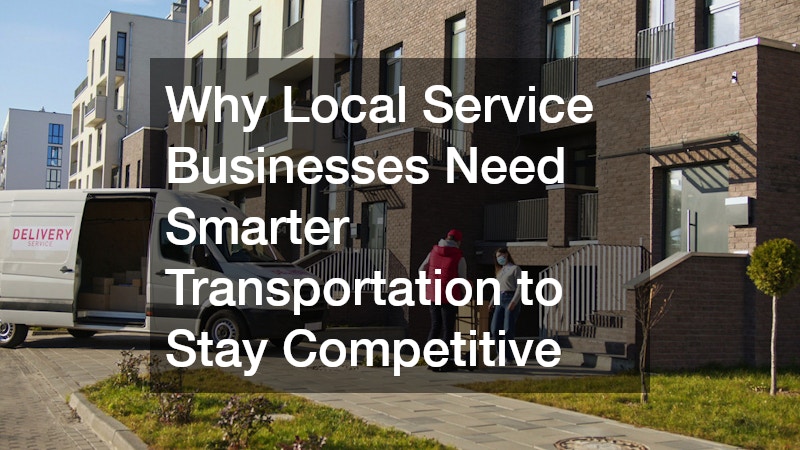
In today’s fast-paced, service-driven economy, transportation is no longer just a background function—it’s a core driver of efficiency, customer satisfaction, and profitability. For local service businesses, the ability to move people, materials, and equipment quickly and reliably can make the difference between winning and losing jobs. Whether it’s delivering materials to a construction site, servicing commercial properties, or managing installations across multiple locations, smarter transportation strategies are becoming essential.
As competition increases and customer expectations continue to rise, businesses across a wide range of industries are rethinking how they approach logistics. From route optimization and fleet management to real-time communication and scheduling, transportation upgrades are helping local providers operate more efficiently and scale their services with confidence.
The Growing Demand for Speed and Reliability
Customers today expect fast turnaround times and consistent service. Delays caused by poor routing, traffic mismanagement, or inefficient scheduling can quickly lead to lost business and negative reviews. Local service providers are under pressure to not only show up on time but also complete jobs within tight deadlines.
For example, concrete delivery companies must coordinate precise timing to ensure materials arrive fresh and ready to pour. Even minor delays can compromise the quality of the product and disrupt entire construction schedules. Similarly, businesses offering local porta potty rentals must efficiently deliver, service, and relocate units across multiple job sites, often within the same day.
Smarter transportation systems—such as GPS tracking, dynamic routing, and automated dispatching—allow these businesses to respond quickly to changing conditions and maintain high service standards.
Improving Efficiency Through Route Optimization
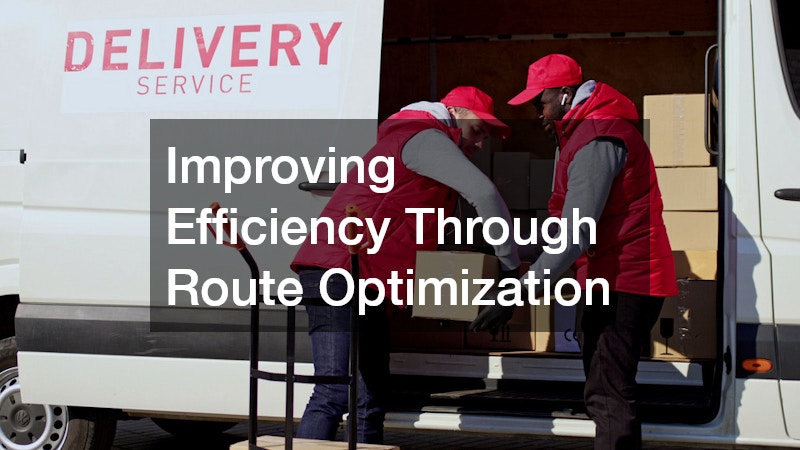
One of the most impactful ways local service businesses can enhance transportation is through route optimization. By analyzing traffic patterns, job locations, and service windows, companies can create more efficient routes that reduce fuel consumption and travel time.
A local septic system service provider, for instance, may need to visit several residential and commercial properties in a single day. Without optimized routing, technicians could waste hours navigating inefficient paths, increasing operational costs and limiting the number of jobs completed. With smarter planning tools, these businesses can maximize productivity while minimizing wear and tear on their vehicles.
The same applies to an upholstery cleaning company that services homes and offices throughout a region. Efficient routing ensures technicians spend more time working and less time driving, ultimately improving profitability and customer satisfaction.
Supporting Construction and Infrastructure Projects
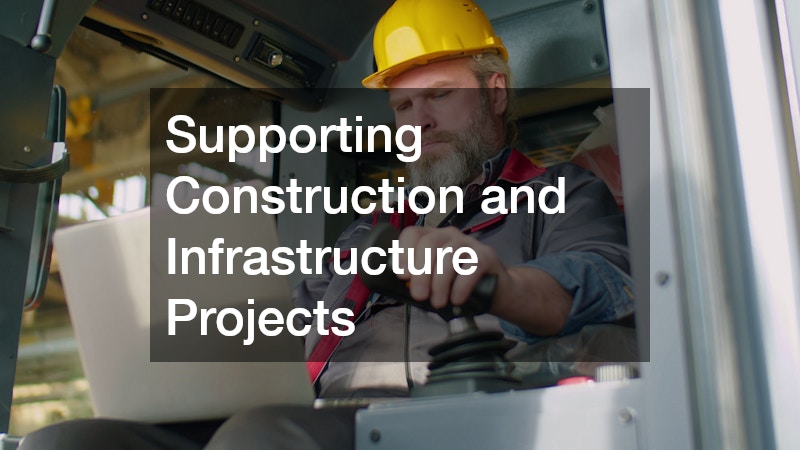
Transportation plays a critical role in construction-related services, where timing and coordination are essential. Companies working with heavy equipment rely on specialized transport solutions to move machinery safely and efficiently between job sites. Any delays in equipment delivery can halt progress and increase project costs.
Window companies also depend on reliable transportation to deliver fragile materials without damage. Proper logistics planning helps ensure that products arrive on schedule and in excellent condition, reducing the risk of costly replacements or installation delays.
In addition, air conditioning installation providers must coordinate the delivery of units, tools, and technicians to ensure seamless service. With improved transportation systems, these businesses can better manage multiple installations per day, meet tight timelines, and maintain a competitive edge.
Enhancing Commercial Installations and Upgrades
Beyond construction, many local service businesses focus on commercial upgrades and installations. These projects often involve tight schedules and coordination between multiple teams, making transportation a key factor in success.
An office furniture install company, for example, must deliver and assemble furnishings within specific timeframes, often outside of normal business hours to avoid disrupting operations. Efficient transportation ensures that all components arrive together and on time, allowing teams to complete installations quickly and professionally.
Similarly, providers specializing in av technology must transport sensitive equipment to offices, event spaces, and conference centers. Reliable logistics help prevent damage, reduce setup time, and ensure that systems are fully operational when clients need them.
By investing in smarter transportation solutions, these businesses can streamline their workflows, reduce delays, and deliver a better overall experience.
Managing Multi-Stop Service Models
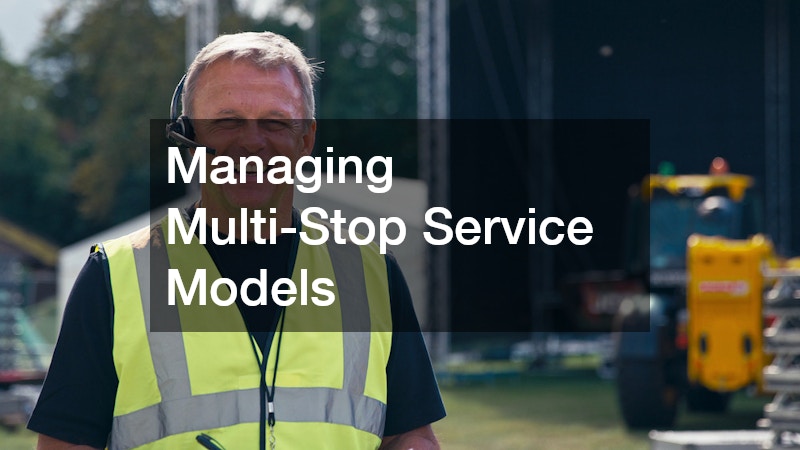
Many local service providers operate on a multi-stop model, where crews must complete several jobs in different locations throughout the day. This creates a unique logistical challenge that can quickly become inefficient without the right systems in place.
Businesses like local porta potty rentals providers and local septic system service teams often juggle installations, pickups, and maintenance visits across a wide geographic area. Without proper scheduling and route planning, it’s easy for crews to fall behind, increasing overtime costs and reducing daily capacity.
Smarter transportation tools allow dispatchers to cluster jobs by location, prioritize urgent requests, and adjust schedules in real time. This flexibility is especially important for businesses that handle both planned services and emergency calls.
Maintaining Buildings and Long-Term Service Relationships
Transportation doesn’t just impact initial installations—it also plays a vital role in ongoing maintenance and service. Businesses that provide routine or emergency support must be able to respond quickly to client needs. In many cases, these services are tied directly to safety, comfort, and day-to-day operations, meaning even small delays can have outsized consequences. As a result, transportation becomes a critical link between service promises and actual performance in the field.
A company offering local elevator repair services, for instance, often deals with urgent situations that require immediate attention. When an elevator goes down in a commercial building or residential complex, it’s more than an inconvenience—it can create accessibility issues, safety concerns, and disruptions for dozens or even hundreds of people. Delays in reaching a site can inconvenience tenants, disrupt operations, and damage the provider’s reputation. With optimized routing and real-time communication, technicians can be dispatched quickly, avoid traffic bottlenecks, and arrive prepared with the right tools and parts to resolve issues efficiently on the first visit.
Likewise, an upholstery cleaning company that maintains commercial spaces must adhere to regular service schedules to meet cleanliness standards and client expectations. Missed or delayed appointments can reflect poorly on both the service provider and the client’s business. Reliable transportation ensures consistent visits, efficient routing between multiple locations, and the flexibility to accommodate last-minute requests or schedule changes without disrupting the rest of the day.
Beyond these examples, many service providers are now using transportation data to proactively improve maintenance operations. Predictive scheduling, route history analysis, and real-time updates allow businesses to anticipate service needs, reduce emergency calls, and provide more consistent support. This proactive approach not only improves efficiency but also strengthens client relationships over time.
These long-term relationships depend on trust, and transportation reliability is a key component of that trust. When businesses consistently show up on time, communicate clearly, and deliver dependable service, they build credibility that leads to repeat contracts, referrals, and long-term growth.
Reducing Costs and Increasing Profit Margins
Fuel costs, vehicle maintenance, and labor expenses all contribute to the overall cost of transportation. Inefficient logistics can quickly erode profit margins, especially for businesses operating on tight budgets.
By adopting smarter transportation strategies, local service providers can reduce unnecessary mileage, lower fuel consumption, and extend the lifespan of their vehicles. Technologies such as fleet tracking and predictive maintenance help businesses monitor performance and address issues before they become costly problems.
For companies like concrete delivery companies or those managing heavy equipment, even small improvements in efficiency can lead to significant savings over time. These savings can then be reinvested into the business, supporting growth and innovation.
Leveraging Technology for Better Coordination
Transportation solutions today are powered by advanced, interconnected technology that enables seamless coordination across teams, vehicles, and job sites. Mobile apps, cloud-based scheduling platforms, and real-time tracking tools give businesses full visibility into their operations, allowing them to make faster, smarter decisions throughout the day. Instead of relying on manual updates or delayed communication, teams can access live data on job progress, driver locations, and schedule changes from anywhere. This level of connectivity reduces downtime, improves accountability, and keeps everyone aligned—from dispatchers to field technicians.
For example, a local porta potty rentals provider can use digital tools to track inventory levels, monitor service schedules, and communicate with drivers in real time. If a unit needs urgent servicing or a last-minute delivery is requested, dispatchers can instantly reroute drivers based on proximity and availability. Automated alerts and status updates help prevent missed appointments, while centralized dashboards ensure that resources are allocated efficiently across multiple job sites. Over time, this data can also be used to identify patterns, optimize routes further, and improve overall service planning.
Similarly, businesses involved in air conditioning installation or av technology benefit from tighter coordination between logistics and on-site teams. Equipment deliveries can be synced with technician arrival times, reducing idle time and eliminating costly delays. Integrated systems allow businesses to manage everything from initial scheduling to post-installation follow-ups within a single platform, creating a more streamlined experience for both employees and customers.
As these technologies continue to evolve, many companies are also incorporating automation and predictive insights into their transportation strategies. AI-driven routing, for instance, can adjust schedules based on traffic conditions, weather, or job urgency, while digital reporting tools provide real-time performance metrics. By integrating transportation data with CRM systems, invoicing platforms, and customer communication tools, businesses can build a fully connected workflow that not only boosts efficiency but also enhances the overall customer experience.
Meeting Customer Expectations in a Competitive Market
As more service providers enter the market, competition continues to intensify. Customers have more options than ever before, and they are quick to choose businesses that offer faster, more reliable service.
Transportation plays a direct role in shaping the customer experience. On-time arrivals, accurate scheduling, and efficient service all contribute to positive interactions and repeat business. Conversely, delays and miscommunication can quickly lead to dissatisfaction and lost opportunities.
Window companies, office furniture install providers, and local septic system service businesses all rely on strong reputations to attract and retain clients. By prioritizing smarter transportation, these companies can differentiate themselves and stand out in a crowded marketplace.
Scaling Operations with Confidence
For local service businesses looking to grow, transportation can either be a limiting factor or a powerful enabler. As demand increases, companies must be able to handle more jobs, cover larger service areas, and manage more complex schedules.
Without efficient transportation systems in place, scaling operations can lead to increased costs, logistical challenges, and declining service quality. On the other hand, businesses that invest in smarter logistics can expand their reach while maintaining high standards.
An upholstery cleaning company may start with a small service area but gradually expand to cover multiple cities. With optimized routing and fleet management, the company can handle this growth without sacrificing efficiency.
The same applies to providers of local elevator repair or air conditioning installation services. Smarter transportation allows these businesses to take on more clients, increase revenue, and build a stronger presence in their markets.
The Competitive Edge Is Built on the Road
The reality for local service businesses is simple: the companies that move smarter, win more. Transportation is no longer just about getting from point A to point B—it’s about how efficiently, predictably, and strategically that movement happens.
Every mile driven represents an opportunity. It can either be wasted time and fuel, or it can be part of a well-orchestrated system that maximizes productivity and profitability. Businesses that take control of their logistics gain a measurable advantage, whether they’re delivering materials, installing systems, or responding to urgent service calls.
Think about how many moving parts are involved across these industries. Concrete delivery companies must time their routes down to the minute. Window companies need to protect fragile materials while staying on tight schedules. Providers handling office furniture install projects must coordinate crews, inventory, and delivery windows with precision. Each of these challenges becomes easier—and more profitable—when transportation is optimized.
Even industries that may seem less logistics-heavy, like an upholstery cleaning company or av technology provider, benefit significantly from smarter routing and scheduling. The ability to complete more jobs in a day without sacrificing quality directly impacts revenue and customer satisfaction.
At the same time, businesses working with heavy equipment or offering local septic system service face even higher stakes. Delays aren’t just inconvenient—they can shut down entire job sites or create costly disruptions. Reliable transportation becomes a critical part of their value proposition.
As technology continues to evolve, the gap between companies that invest in smarter transportation and those that don’t will only widen. The leaders in each industry will be the ones who treat logistics as a strategic asset, not an afterthought.
For local service businesses ready to grow, compete, and stand out, the path forward isn’t complicated—it just requires a shift in mindset. Smarter transportation isn’t just about efficiency. It’s about building a business that runs smoother, responds faster, and delivers better results at every stage of the job.