Nobody plans for a burst pipe, a failed rooftop unit, or a parking lot that crumbles into potholes overnight. Yet these emergencies rarely happen without warning; they build slowly through years of deferred upkeep. Great leaders understand that a proactive maintenance budget is not an extra expense but a form of protection for people, property, and profit. This article breaks down the key building systems worth budgeting for now, before small issues turn into costly crises.
Protecting Building Exteriors and Walkways From Wear
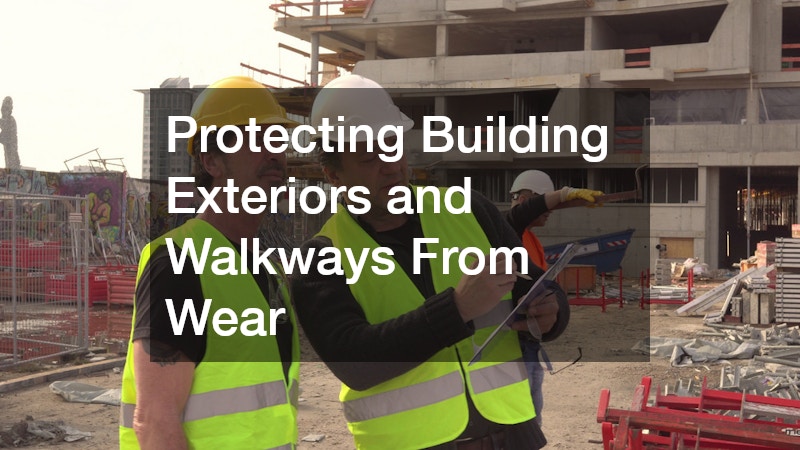
The outside of a property takes the brunt of weather, foot traffic, and time, yet it is often the last thing on a leader’s mind until cracks and rust become visible to customers or employees. Exterior neglect sends a quiet message that a business is not paying attention to detail, which can affect trust before anyone walks through the door. Budgeting a small amount each year for exterior upkeep prevents larger structural repairs later.
Aluminum railing service is one of those items that gets overlooked because railings seem sturdy by design, but corrosion and loosened fittings create real safety hazards over time. Scheduling an inspection annually helps catch weak welds, rust spots, or wobbly posts before they become liability issues. A well-maintained railing system also extends the life of the surrounding structure it is attached to.
- Inspect railings for rust, loose bolts, or bent sections at least once a year
- Repaint or reseal metal surfaces before corrosion spreads
- Check ADA compliance on ramps and stairways during inspections
- Budget for minor repairs quarterly rather than one large overhaul later
Planning Ahead for Underground Wastewater Systems
Septic and wastewater systems are easy to ignore because they are literally out of sight, but they are also some of the most expensive systems to repair once they fail. A backup or overflow does not just cost money to fix; it can shut down operations for days and create serious health hazards. Leaders who budget for periodic inspection and pumping avoid the far larger expense of full septic replacement, which often includes excavation, permits, and lost business days.
A useful way to think about wastewater budgeting is comparing the annual cost of inspection to the five-figure cost of a full system replacement. Most septic systems give warning signs long before failure, including slow drains, odors, or soggy patches in the yard.
- Schedule septic inspections every one to three years depending on system size
- Watch for slow drains or sewage odors near drain fields
- Keep pumping records to track system health over time
- Set aside a reserve fund specifically for wastewater emergencies
Verifying Water Safety Through Regular System Checks
Cross-contamination between clean water supplies and non-potable sources is a hazard many property owners do not think about until a health inspector flags it. Backflow prevention devices are required in many commercial buildings precisely because a failure can introduce contaminants into drinking water. A qualified backflow testing service checks these devices annually to confirm they are functioning correctly and meeting local code requirements.
Skipping this test does not just risk fines; it risks the health of everyone using the building’s water supply. Leaders who build this small, predictable cost into their annual budget avoid the much larger financial and reputational damage of a contamination event or failed compliance audit. Scheduling a back flow testing service as part of that annual budget is one of the simplest ways to keep this requirement from slipping through the cracks.
- Confirm which backflow devices are required for your property type
- Keep testing certificates on file for insurance and code compliance
- Address any failed valve immediately rather than waiting for renewal season
- Reference results year over year to spot recurring issues early
Extending the Life of Commercial Roofing Systems
A roof is one of the largest single investments in any commercial property, and it is also one of the easiest systems to neglect because damage often develops slowly and out of view. Leaks, pooling water, and rusted flashing rarely announce themselves until water is already dripping onto equipment or inventory below. Bringing in commercial metal roofers for a biannual inspection helps catch loose seams, damaged coatings, or drainage issues before they become structural problems.
Metal roofing systems are durable, but they still require periodic recoating and seam maintenance to perform as designed for their full lifespan. Leaders who treat roof inspections as a routine calendar item, rather than a reaction to a leak, typically spend far less over the life of the building.
- Inspect roofing systems after major storms and at least twice a year
- Clear debris from drains and gutters to prevent pooling
- Recoat metal roofing on the manufacturer’s recommended schedule
- Document inspection findings for warranty and insurance purposes
Keeping Air Distribution Systems Clean and Efficient
Air quality and airflow efficiency depend heavily on ductwork that is often hidden above ceilings or behind walls, making it easy to forget until employees start complaining about stuffy rooms or uneven temperatures. Dust, mold, and debris build up gradually inside ducts, reducing airflow and forcing HVAC equipment to work harder than necessary. A professional commercial duct work service can clean and inspect these systems, improving both air quality and energy efficiency.
Neglected ductwork does not just affect comfort; it can shorten the life of expensive HVAC equipment by forcing it to run longer to compensate for restricted airflow. Building duct cleaning and inspection into a maintenance calendar every few years is a small cost compared to replacing an entire rooftop unit early.
- Inspect ductwork every three to five years, or sooner in dusty environments
- Watch for uneven heating or cooling between rooms as an early warning sign
- Clean ducts after any major renovation or construction work
- Pair duct inspections with regular filter changes for best results
Scheduling Preventive Care for Heating and Cooling Equipment
Few emergencies disrupt a business faster than losing heating or cooling during extreme weather, and few repairs are as expensive as replacing a rooftop unit that failed from years of neglect. A commercial HVAC replacement can run anywhere from $10,000 to $50,000 or more depending on the size of the building, while a scheduled tune-up typically costs a few hundred dollars per visit. That gap alone makes preventive care one of the easiest budget lines to justify.
Routine maintenance from a reliable AC repair service catches worn belts, refrigerant leaks, and failing capacitors before they cause a full system shutdown. Technicians also check thermostat calibration, clean condenser coils, and inspect electrical connections that loosen over time from vibration. Left unaddressed, these small issues force the system to work harder, which drives up energy bills long before an actual breakdown occurs.
Smart leaders schedule these inspections twice a year, once before peak cooling season and once before peak heating season, so equipment is ready when demand is highest. This kind of preventive care typically costs a fraction of an emergency repair or replacement, and it also extends the life of equipment that would otherwise need replacing years ahead of schedule. Building the cost into the annual budget, rather than treating it as an optional expense, keeps small problems from turning into six-figure surprises.
Leaders who schedule seasonal tune-ups, rather than waiting for a breakdown, also benefit from more predictable energy bills throughout the year. A well-maintained system runs more efficiently, which reduces strain on the compressor and extends its overall lifespan. The Department of Energy estimates that regular HVAC maintenance can improve efficiency by up to 15%, a savings that compounds significantly across a large facility with multiple units.
Twice-yearly service calls — one before peak cooling season and one before peak heating season — allow technicians to clean coils, check refrigerant levels, and replace filters before minor issues turn into costly repairs. Catching a failing capacitor or a small refrigerant leak early often costs a few hundred dollars, compared to the thousands required for an emergency compressor replacement or full system failure during the hottest week of summer.
There’s also a business continuity angle that smart leaders factor into their budgets. A retail location without air conditioning in July or a warehouse without heat in January doesn’t just risk employee discomfort; it risks lost productivity, spoiled inventory, and unhappy customers. Building preventive HVAC care into the annual budget turns an unpredictable risk into a manageable, scheduled expense.
- Schedule tune-ups in spring and fall before peak usage seasons, when technicians have more availability and pricing is often lower
- Replace filters monthly or as recommended by the manufacturer, since clogged filters can raise energy use by 15% or more
- Track energy bills for sudden spikes that may signal declining efficiency, and compare month-to-month usage against the same period last year
- Keep service records to support warranty claims if equipment fails early, including dates, technician notes, and parts replaced
- Budget separately for emergency repairs versus routine maintenance, since HVAC emergencies often cost three to five times more than a scheduled visit
- Set calendar reminders or use a facilities management app so preventive tasks aren’t forgotten during busy seasons
Maintaining Electrical Systems for Safety and Reliability
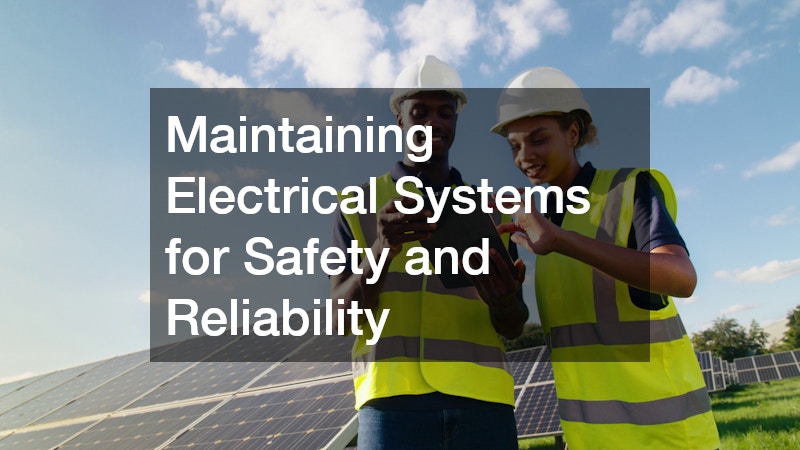
Electrical issues are among the most dangerous problems a property can face, ranging from flickering lights and tripped breakers to the risk of fire from outdated wiring. Because electrical work carries serious safety and code implications, it should always be handled by certified electricians rather than deferred or handled informally. Regular inspections catch overloaded panels, worn insulation, and outdated components before they become hazards.
Many older commercial buildings were wired for a different era of equipment and power demands, meaning the system may be working harder than it was designed to handle. Budgeting for periodic electrical inspections, especially after adding new equipment or renovating space, helps prevent both safety incidents and unplanned downtime.
- Schedule a full electrical inspection every three to five years
- Watch for warm outlets, flickering lights, or frequent breaker trips
- Upgrade panels before adding significant new equipment loads
- Keep documentation of all electrical work for insurance and code purposes
Preserving Parking Lots and Paved Surfaces
Parking lots take a beating from vehicle weight, weather, and constant freeze-thaw cycles, yet they are frequently one of the last items in a maintenance budget. Small cracks that go untreated let water seep beneath the surface, accelerating potholes and structural damage. Applying sealcoating every few years protects the asphalt from UV exposure and moisture, significantly extending the life of the pavement.
A cracked or crumbling parking lot also creates liability exposure, since trip hazards and vehicle damage claims can add up quickly. Leaders who treat pavement maintenance as a scheduled expense, rather than an emergency repair, spend considerably less over the life of the lot.
- Reapply sealcoating every two to three years depending on traffic volume
- Fill cracks promptly before winter freeze-thaw cycles worsen them
- Repaint striping during resealing for better visibility and safety
- Inspect drainage to prevent standing water from undermining the surface
Supporting Warehouse and Material Handling Equipment
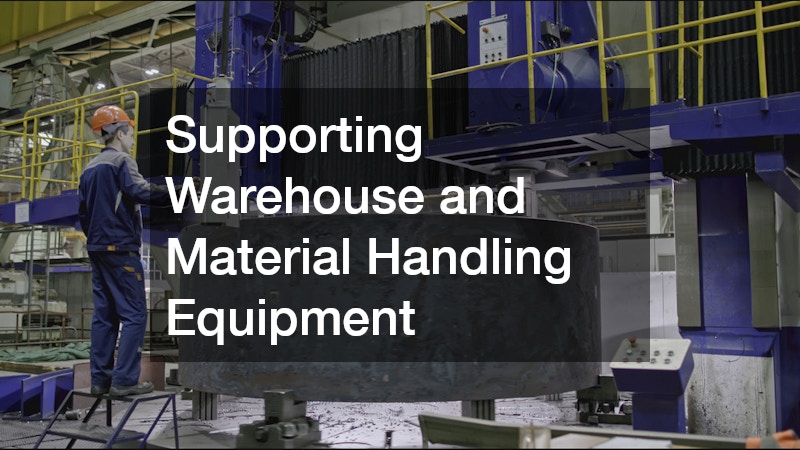
For businesses that rely on forklifts and other material handling equipment, downtime is not just inconvenient, it can halt shipping and receiving entirely. Building a relationship with a trusted forklift dealer for regular maintenance and inspections helps catch hydraulic leaks, worn tires, and brake issues before they cause an accident or a breakdown mid-shift. Leaders should also budget for eventual equipment replacement rather than running machines until they fail completely.
Preventive maintenance schedules for forklifts typically follow hour-based intervals similar to commercial vehicles, and skipping them tends to shorten equipment life significantly. A well-maintained fleet also reduces the risk of workplace injuries tied to equipment malfunction.
- Follow manufacturer-recommended service intervals based on operating hours
- Inspect forks, chains, and hydraulic lines weekly for visible wear
- Train operators to report unusual noises or performance changes immediately
- Plan replacement budgets around average equipment lifespan, not just breakdowns
Protecting Industrial Floors From Daily Damage
Floors in warehouses, garages, and industrial spaces endure constant traffic from equipment, chemicals, and heavy loads, which gradually wears down standard flooring finishes. Applying heavy duty epoxy creates a durable, chemical-resistant surface that holds up far longer than untreated concrete, reducing the frequency of costly resurfacing projects. This upfront investment protects both the structural integrity of the floor and the safety of workers moving through the space.
Cracked or pitted flooring is not just a cosmetic issue; it can create tripping hazards and make it harder to keep a facility clean and compliant with safety standards. Leaders who schedule floor coating maintenance on a set cycle avoid the disruption of emergency repairs that shut down sections of a facility unexpectedly.
- Reapply protective coatings every few years depending on traffic and chemical exposure
- Address cracks and chips promptly to prevent moisture infiltration
- Choose coating systems rated for the specific chemicals used on site
- Schedule recoating during planned downtime to minimize disruption
Every system covered here shares the same lesson: small, scheduled investments almost always cost less than emergency repairs made under pressure. Great leaders build maintenance into their annual budgets the same way they budget for payroll or insurance, treating it as a fixed cost of doing business rather than an afterthought. Start by walking through your own property and identifying which systems have gone the longest without attention. A short list of scheduled inspections today can save significant money, downtime, and stress down the road.