
Before a new client ever shakes your hand or reads your pitch, they have already formed an opinion about your business. That opinion is often built in the three seconds it takes to walk from the parking lot to your front door. A weathered facade, a dingy roofline, or a flickering sign can quietly undo months of marketing effort. Understanding how the physical exterior of your building influences trust can help you make smarter, more strategic decisions about where to invest.
First Impressions Formed Before a Word Is Spoken
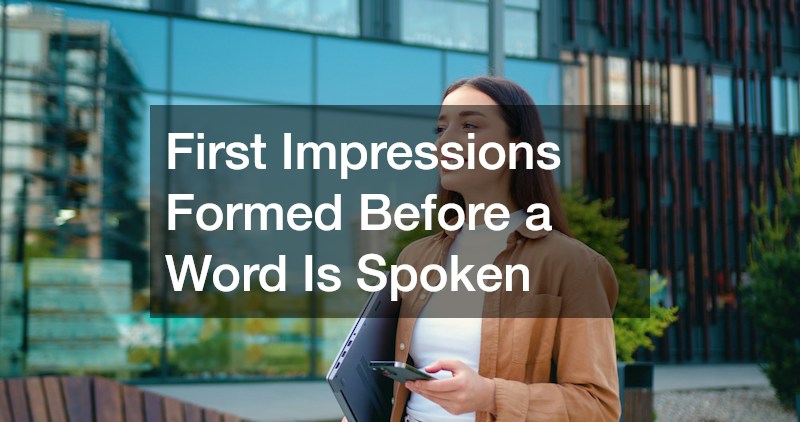
Psychologists have long known that people make snap judgments about credibility within seconds of encountering a new environment. The exterior of a commercial building works the same way a person’s posture or handshake does in a first meeting. Clients unconsciously scan for cues that signal stability, professionalism, and attention to detail. If the building looks neglected, visitors assume the business behind it might be neglected too.
This matters just as much for service-based businesses as it does for retail storefronts. Even if clients primarily interact with you online or over the phone, many will still drive by or search for photos of your location before committing. A building that looks cared for reassures them that they are dealing with a legitimate, established operation rather than a fly-by-night outfit.
Signage That Communicates Professionalism at a Glance
Your sign is often the very first piece of branding a potential client sees, and it sets expectations before they even step inside. Faded lettering, mismatched fonts, or a sign that looks like it was installed decades ago can make a business seem outdated or inattentive. In fact, studies on first impressions suggest people form an opinion about a business within seconds of seeing its exterior, and signage is usually the focal point of that snap judgment. On the other hand, clean, well-lit, and thoughtfully designed signage signals that you take your brand seriously. Consider the details: is the lettering crisp and legible from the street, or does it require squinting? Is the material — whether metal, acrylic, or illuminated channel letters — still in good condition, or is it chipped, discolored, or missing pieces? Consistency matters too. Your sign’s colors, fonts, and logo should match your website, business cards, and other marketing materials so clients feel a sense of cohesion the moment they arrive. A mismatch between a polished digital presence and a dated, hand-painted sign can create doubt before a client even walks through the door. Lighting deserves special attention if clients visit during evening hours or early morning. A well-placed spotlight or backlit sign not only improves visibility but also conveys that you’ve thought through every detail of the client experience, right down to how your business looks after dark.
Many business owners underestimate how much strategic signage can shape perception, which is why working with experienced sign companies can make a measurable difference. A professional design accounts for visibility from the road, nighttime lighting, and consistency with your overall brand identity. These aren’t small decisions—the wrong font size or a poorly lit sign can mean a potential client drives right past your building without ever registering you exist. Reputable sign companies typically start by evaluating sightlines from nearby intersections, the speed of passing traffic, and the distance at which text needs to remain legible. A general rule of thumb is roughly one inch of letter height for every ten feet of viewing distance, though local zoning codes often dictate maximum sign dimensions and placement as well. Materials matter too: illuminated channel letters project a more upscale, established feel than a basic backlit box sign, while weather-resistant finishes prevent fading that can make a business look neglected within just a few years. Small details, like a sign that is proportionate to the building and easy to read from a distance, communicate competence without a single word being spoken. Consistent use of your logo colors, typography, and materials across the storefront sign, window lettering, and any directional signage reinforces that same sense of order and reliability. Even the condition of the sign itself sends a message—cracked panels, burnt-out bulbs, or outdated branding suggest a business that isn’t paying attention, which is the opposite impression you want a new client forming before they’ve even walked through the door.
- Illuminated signs improve visibility and safety during evening hours, extending your hours of “curb impact” well past sunset
- LED backlighting or channel letters offer a modern look while using less energy than traditional fluorescent options
- Consistent branding across signage — matching fonts, colors, and logo placement — builds recognition over time
- Mismatched signage between locations or entrances can quietly signal disorganization to first-time visitors
- Materials like metal or acrylic tend to hold up better than plastic in harsh weather, resisting fading, cracking, and warping
- Aluminum and stainless steel are especially durable for outdoor exposure, while acrylic offers a sleek, upscale finish at a lower cost
- Regular cleaning prevents dirt buildup that dulls colors and logos, ideally on a monthly schedule or more often in high-pollution areas
- Periodic inspection for burnt-out bulbs, loose lettering, or peeling vinyl keeps signage looking sharp and fully functional
Rooflines and Their Effect on Perceived Stability
Most visitors never look up, but a sagging, stained, or visibly aged roof can still leave a subconscious impression of neglect, especially for clients who do notice. A roof in poor condition can also lead to visible water stains on exterior walls or gutters, which are red flags even to untrained eyes. Because commercial roofing represents such a significant investment, many owners delay repairs until problems become severe, but this often makes the visual damage worse over time.
Beyond appearance, a compromised roof can lead to leaks that damage interior finishes, which clients absolutely will notice if they step inside. Water intrusion can also create mold or musty odors that undermine an otherwise polished space. Addressing roofing issues early protects both the physical structure and the image clients form when they look at your building from the outside.
Routine Roof Inspections and Long-Term Upkeep
Scheduling regular inspections is one of the most cost-effective ways to catch small problems before they become expensive, visible ones. A qualified commercial roofing company can identify issues like ponding water, cracked flashing, or worn membrane seams long before they cause leaks or staining. These inspections typically take just a few hours but can save thousands of dollars in emergency repairs down the line.
Choosing the right professionals matters just as much as the frequency of inspections. Experienced commercial roofers understand the specific materials and drainage systems used in commercial buildings, which differ significantly from residential roofing. They can also provide documentation of maintenance history, which is useful for insurance purposes and can reassure clients or partners during due diligence.
- Schedule inspections at least twice a year, ideally spring and fall
- Keep records of repairs and maintenance for insurance and resale purposes
- Address minor leaks immediately before they spread to interior spaces
- Clear debris from gutters and drains to prevent water pooling
Landscaping and Grounds That Frame the Building

The area surrounding your building plays a bigger role in shaping perception than most owners realize. Overgrown shrubs, cracked pavement, or patchy grass can make even a beautifully maintained building look uninviting. Simple landscaping upgrades, like trimmed hedges, fresh mulch, and clearly marked walkways, create a sense of order that extends the professionalism of the building itself.
Seasonal upkeep also matters, since a business that lets fall leaves pile up or ignores winter snow removal sends a message of inconsistency. Clients often equate the tidiness of the grounds with the reliability of the business itself, even if there is no logical connection between the two. Investing modestly in ongoing grounds maintenance pays dividends in how welcoming and trustworthy your location feels.
- Trim trees and shrubs away from windows and entryways
- Repaint or repair faded parking lot lines for a polished look
- Install adequate exterior lighting along walkways for safety
- Remove weeds from cracks in sidewalks and parking areas promptly
Comfortable Climate Control as a Trust Signal
While it happens behind the scenes, the comfort of your indoor environment directly shapes how clients feel about their experience with your business. Walking into a stuffy, overheated lobby or a space that feels inexplicably cold can be just as damaging to trust as a shabby exterior. Consistent indoor comfort signals that a business is well-managed and pays attention to details that affect the client experience.
This is why commercial HVAC preventative maintenance deserves as much attention as any visible exterior upgrade. Regularly serviced systems are less likely to fail unexpectedly during a client visit or important meeting. A well-maintained system also tends to run more quietly and efficiently, which subtly reinforces the sense that the entire operation is professionally run.
- Replace air filters on a consistent schedule to maintain air quality
- Schedule professional tune-ups before peak summer and winter seasons
- Monitor thermostats and zoning systems to avoid uneven temperatures
- Address strange noises or odors from vents right away
Entryways and Parking Areas That Set the Tone
The path a client takes from their car to your door is an extension of your brand, whether you think of it that way or not. Cracked pavement, faded curb markings, or poorly lit parking areas can create anxiety before a client even reaches the building. A smooth, well-marked parking area signals order and consideration for visitor safety and convenience.
Entry doors themselves deserve attention too, since scratched glass, sticky handles, or broken automatic openers are often the last thing a client notices before forming a final impression. These small mechanical details are inexpensive to fix but have an outsized effect on how put-together your business appears. A smooth, welcoming entrance experience helps set a positive tone for whatever conversation happens next.
The exterior of your building is a silent but powerful spokesperson for your business, communicating messages about reliability and professionalism long before you say a word. Taking a walk around your property with fresh eyes, as if you were a first-time visitor, is a simple way to spot areas that need attention. Prioritizing upkeep in these key areas is not just about aesthetics; it is an investment in the trust and confidence of every client who walks through your door.