
Modern production operations operate under relentless pressures to deliver higher output, tighter tolerances, and faster turnaround times while keeping operating expenses in check. When a workflow becomes fractured or disorganized, inefficiencies ripple across the entire organization, leading to bloated project schedules, frustrated workers, and compromised product quality. Building a resilient workflow requires more than simply working faster; it demands a strategic restructuring of processes, tools, human labor, and communication protocols.
By aligning floor-level logistics with long-term strategic planning, modern manufacturing and industrial facilities can eliminate waste, reduce downtime, and drive consistent value. A superior production workflow connects mechanical reliability, smart material logistics, skilled operational labor, and data-driven oversight into a coherent operating engine.
Evaluating Existing Operational Bottlenecks

Map Every Touchpoint Across the Floor
Before introducing structural changes, operational leaders must gain complete visibility into how materials, information, and labor move through the facility. Visualizing process flows reveals hidden cycle delays, excess motion, and redundant administrative checkpoints that drain productivity.
- Chart the physical journey of base raw components from their initial receiving dock to their final staging bay.
- Identify recurring holding zones where work-in-progress sits idle while awaiting managerial sign-offs or quality audits.
- Collect honest feedback from frontline operators who navigate floor-level friction on a daily basis.
- Remove obsolete sign-off steps that can be automated through centralized digital inventory tracking.
When facilities analyze the movement of secondary tooling, transport bottlenecks often surface immediately. For example, moving smaller support components, specialized hand tools, and temporary jigs between storage yards and primary production lines can stall assembly if transit assets are not properly organized. Utilizing an organized utility trailer to transport small assemblies and dedicated toolsets across large operational campuses prevents operators from abandoning their stations to retrieve forgotten parts.
Identify Physical Asset Constraints
Mechanical and vehicular assets often dictate the upper limits of plant throughput. Bottlenecks frequently appear not because operators work slowly, but because critical machinery cannot move into position or handle incoming volumes efficiently.
- Inventory all motorized handling equipment to evaluate actual load capabilities versus current production demands.
- Assess yard transit paths to verify that transport lanes remain clear of debris and excessive vehicle congestion.
- Document transit turnaround times between off-site storage yards and main assembly buildings.
Moving oversized structural assemblies, earth-moving machinery, or modular fabrications between facilities creates severe production delays if transit logistics are treated as an afterthought. Integrating coordinated equipment towing and hauling into the production schedule guarantees that massive components arrive at the precise operational sequence required, rather than sitting on a roadside or blocking active loading bays. When industrial hauling schedules mesh seamlessly with the daily production board, assembly teams never lose billable hours waiting for major machinery deliveries.
Establishing Proactive Maintenance Frameworks
Implement Real-Time Telemetry and Diagnostic Schedules
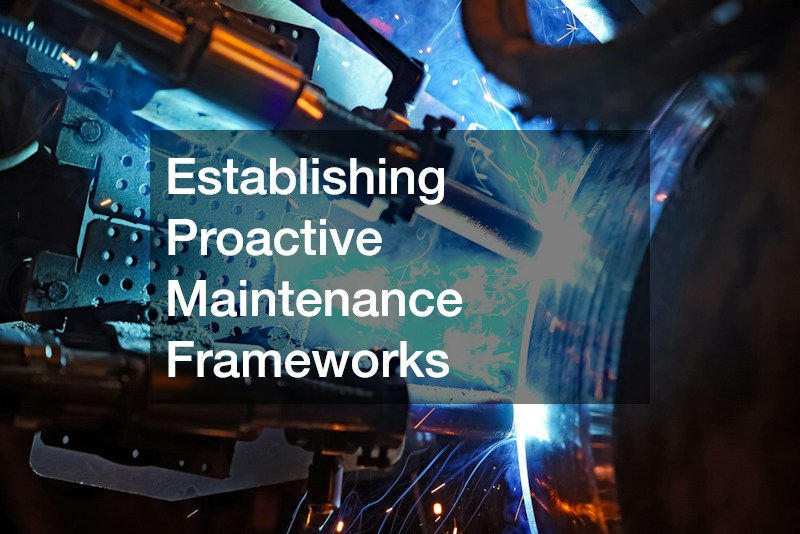
Unexpected machinery failure stands as the single most disruptive factor in industrial workflows. Shifting from reactive firefighting to precision condition-based monitoring protects production schedules from sudden catastrophic interruptions.
- Track fluid pressures, thermal patterns, and vibration levels across all mission-critical industrial machinery.
- Schedule non-destructive inspections during planned changeovers rather than waiting for component fatigue.
- Log operational cycles digitally to retire wearing components before stress fractures occur.
Hydraulic systems drive modern pressing, lifting, and stamping equipment, making their reliability central to uninterrupted manufacturing lines. A degraded seal or scored casing within a heavy hydraulic cylinder can lead to sudden pressure loss, dropping line output to zero and creating dangerous working conditions. Monitoring fluid degradation, maintaining strict contamination control standards, and replacing cylinder components based on operating hours rather than visible failure preserves line tempo and prevents downstream structural damage.
Establish Rapid Response Protocols for Field Breakdowns
Even the most rigorous maintenance schedules cannot completely eliminate sudden equipment failures during intensive manufacturing campaigns. When high-value machinery stops unexpectedly, workflow survival depends on rapid remediation mechanisms.
- Define clear escalation paths so machine operators can instantly notify designated mechanical personnel.
- Maintain pre-stocked repair kits containing the most common wearable mechanical parts.
- Establish pre-negotiated priority service agreements with regional industrial repair specialists.
In high-volume facilities, internal repair crews may find themselves overwhelmed by concurrent mechanical failures. Contracting a reliable emergency equipment service ensures that certified mobile field technicians arrive on the scene immediately with specialized tooling. Having rapid-response teams on standby minimizes unexpected delays, stabilizes production schedules, and prevents single-machine outages from cascading across downstream production cells.
Streamlining Material Sourcing and Capacity Planning
Balance Fixed Machinery with Flexible Leases
Production managers frequently balance capital expenditure constraints against volatile client order volumes. Investing in massive capital machinery that sits underutilized during seasonal lulls strains corporate balance sheets, while turning down large contracts damages client relationships.
- Analyze long-term utilization rates before committing company capital to outright equipment purchases.
- Leverage short-term equipment agreements to fulfill temporary, high-volume production surges.
- Match project-specific machinery configurations directly to distinct production specifications.
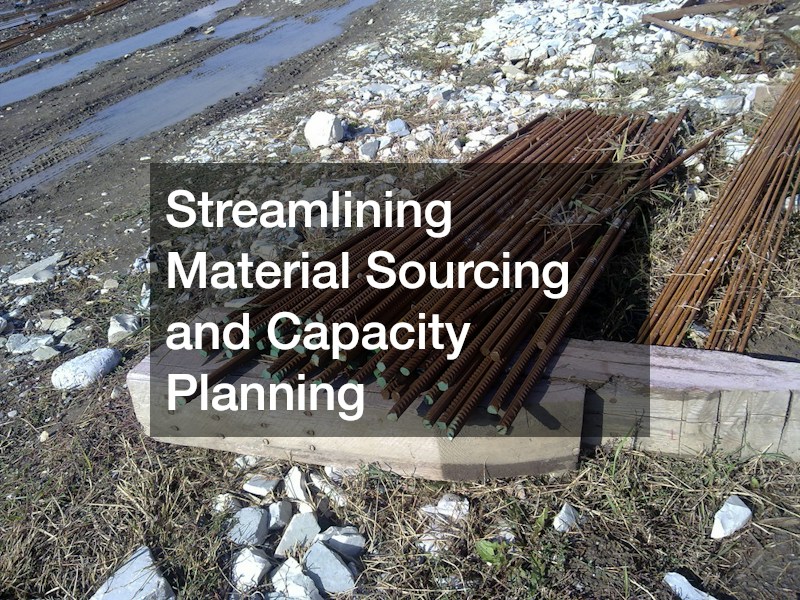
Rather than overextending credit lines on dedicated capital assets that may only see intermittent duty, companies leverage heavy equipment rentals to scale operational throughput on demand. Procuring temporary excavators, heavy-lift fork trucks, or industrial power systems allows facilities to fulfill demanding production quotas without carrying long-term depreciation and maintenance liabilities on their books. Once the surge contract concludes, rented equipment is returned, immediately normalizing fixed operating overhead.
Standardize In-House Component Manufacturing
Material variability introduces friction into assembly operations. When incoming components arrive with inconsistent dimensional tolerances, fitters and fabricators spend excessive time shimming, grinding, and forcing components together.
- Enforce strict raw material grading criteria for all external steel and alloy suppliers.
- Utilize automated laser cutting and CNC forming equipment to achieve uniform edge preparation.
- Standardize sub-assembly dimensions across diverse product lines to reduce unique component counts.
Integrating disciplined metal fabrication practices directly into the workflow structure guarantees that incoming structural elements seat correctly on the first attempt. When structural plates, mounting brackets, and chassis members undergo precise robotic cutting and press-brake shaping, downstream welders and assemblers eliminate fit-up adjustments, speeding up overall cycle completions. Standardized fabrication procedures also lower scrap rates, yielding significant material cost savings over extended manufacturing runs.
Optimizing Specialized On-Site Operations
Coordinate Structural Repairs Without Halting Assembly
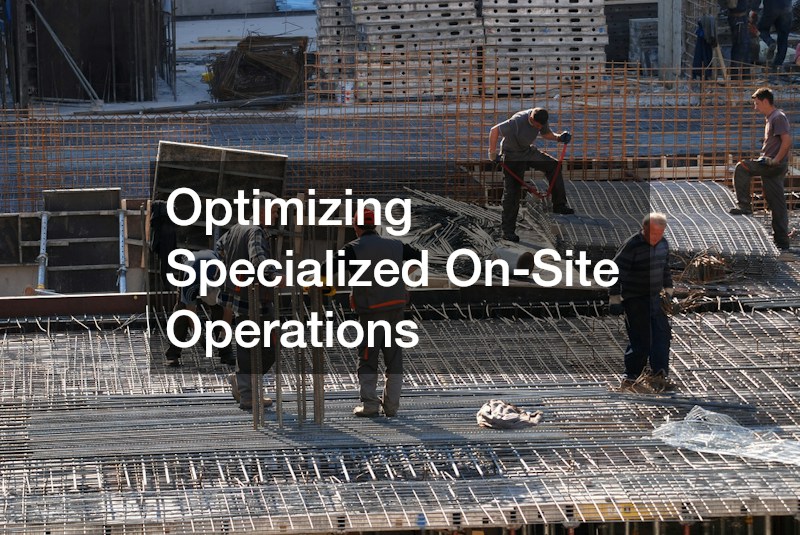
Manufacturing workflows involving massive infrastructure, heavy industrial machinery, or marine vessels cannot easily transport damaged assemblies back to central repair depots. Operational planning must account for on-location metallurgical remediation.
- Designate clear containment zones around active hot-work areas to protect adjacent operational teams.
- Sequence structural hot work during shift changes or scheduled line downtimes whenever feasible.
- Provide clean, dedicated power feeds and shielding gas supplies to field-repair workstations.
Field equipment regularly suffers stress cracking, bucket fatigue, or structural arm distortions that threaten project deadlines. Deploying dedicated construction equipment welding directly to active production bays or exterior yards allows structural assets to undergo certified structural repairs on site. Executing structural welds in place avoids the complex logistics of dismantling heavy machinery, returning primary assets to service hours ahead of conventional overhaul timelines.
To keep these operations agile, facilities must maintain access to versatile field teams that operate independently of centralized plant utilities. Contracting certified mobile welders provides the self-contained tooling, portable engine-driven welders, and wire-feed systems required to perform urgent joint repairs in outdoor staging areas or tight manufacturing wings. These mobile crews integrate smoothly into existing assembly flows, tackling urgent structural repairs without bottlenecking primary fabrication lines.
Integrate Heavy Rigging and Staging Dynamics
Managing vertical space and heavy component movement forms the backbone of large-scale production, particularly in shipbuilding, modular construction, and heavy equipment manufacturing. Poorly staged heavy picks create dangerous bottlenecks on the floor.
- Establish rigorous pre-lift engineering reviews for every pick exceeding standard overhead hoist capacities.
- Clear designated swing radiuses and travel corridors before moving oversized structural components.
- Coordinate rigging movements during natural production lulls to eliminate floor-level evacuation delays.
When indoor overhead bridge hoists reach their structural capacity, industrial planners depend on mobile crane services to hoist, maneuver, and align multi-ton modules into the main manufacturing sequence. Coordinating heavy lift providers within the master production schedule guarantees that critical structural placements occur safely and promptly. This structured lifting process prevents crane operators and ground rigging personnel from waiting idle while floor crews scramble to clear transit paths.
Building Resilient Talent Pipelines and Skills Training
Partner With Structured Mentorship Programs
A workflow is only as dependable as the individuals executing it. As seasoned technical tradespeople retire, manufacturing operations face critical labor shortages that degrade production consistency and product quality.
- Partner with regional technical institutes and trade academies to establish clear talent pipelines.
- Pair junior personnel with master craftsmen through formal one-on-one mentorship structures.
- Standardize operational training modules to ensure trade fundamentals are taught uniformly across shifts.
Proactive organizations secure their future workforce by investing heavily in structured welding apprenticeships. These structured initiatives combine formal classroom theory in blueprint reading, metallurgy, and joint design with extensive hands-on bench experience under seasoned craft leaders. By mentoring apprentices within the company’s specific production parameters, manufacturers cultivate a reliable pipeline of qualified welders who understand the plant’s quality benchmarks, safety requirements, and operational workflows from day one.
Cross-Train Floor Teams to Prevent Process Stoppages
Rigid job roles create brittle production systems. If only a single individual understands how to program a specific machine or assemble a critical component, unexpected absences bring the entire workflow to a halt.
- Maintain an updated operational skills matrix displaying cross-training certifications across all shifts.
- Rotate operators through adjacent manufacturing workstations on a planned weekly schedule.
- Document standard operating procedures with clear step-by-step instructions to assist cross-trained staff.
- Reward technicians who acquire multi-disciplinary capabilities across machining, assembly, and inspection.
Cross-training empowers team leads to shift labor dynamically in response to shifting bottleneck locations. When a sudden surge in orders hits the packaging station, pulling certified personnel from low-volume upstream cells balances overall throughput, keeping cycle times predictable and preventing work-in-progress inventory pileups.
Integrating Digital Management Systems with Physical Workflows
Unify Enterprise Resource Planning with Floor Operations
A major source of workflow inefficiency stems from the disconnect between front-office planning software and the reality of the shop floor. Disjointed schedules produce material shortages, overbooked machines, and misaligned delivery expectations.
- Implement automated shop-floor tracking systems using barcode scanners or radio-frequency asset tags.
- Ensure bill-of-materials revisions update automatically on technician terminals to eliminate obsolete blueprint usage.
- Provide production supervisors with real-time dashboards detailing current line velocities and machine states.
- Integrate inventory tracking directly with automatic procurement triggers for common hardware and consumables.
When inventory tracking mirrors physical floor reality, procurement managers order raw materials precisely when needed, supporting lean manufacturing principles without risking stockouts. Operators avoid wasting time searching for misplaced inventory lots, and scheduling managers gain the accurate cycle data required to quote realistic delivery dates to clients.
Measure Throughput Metrics and Continuous Feedback
Continuous improvement cannot function without clear, objective performance metrics. Workflows that remain unmeasured inevitably degrade over time as small inefficiencies accumulate.
- Track overall equipment effectiveness by measuring machine availability, operational performance, and quality rates.
- Measure takt time against actual cycle times to detect emerging process imbalances before they disrupt shipments.
- Calculate first-pass yield to identify workstations that generate excessive rework or scrap.
- Conduct weekly post-production retrospectives to resolve recurring friction points raised by floor operators.
Sharing performance metrics transparently with shop-floor teams cultivates a culture of shared accountability. When technicians understand how their station’s throughput influences overall plant output, they actively contribute ideas for small ergonomic tweaks, tool reconfigurations, and workflow adjustments that drive sustained productivity gains.
Streamlining production requires deliberate alignment across machinery maintenance, material handling, on-site mechanical support, workforce education, and real-time operational data. By systematically dismantling floor bottlenecks, establishing predictive maintenance schedules, coordinating specialized field services, and developing skilled technical personnel, industrial enterprises transform sluggish assembly lines into highly synchronized, responsive manufacturing ecosystems.
Sustainable operational excellence is not achieved through temporary shortcuts or unsustainable work cadences. It is built through well-designed, repeatable processes that protect workers, extend equipment longevity, and maintain absolute quality standards. Ultimately, embedding systematic efficiency into everyday workplace habits ensures that elevated performance becomes an enduring standard rather than a fleeting achievement. Organizations that commit to continuous operational assessment and structured workflow optimization position themselves to handle expanding production volumes, adapt to sudden market shifts, and outperform competitors over the long haul.