
Essential Services That Keep Homes, Businesses, and Communities Running Strong
Introduction
Modern life runs on systems most people rarely think about—until something goes wrong. The comfort of a climate-controlled home, the safety of a protected building, the reliability of supply chains, and the stability of personal finances all depend on specialized professionals working behind the scenes. These essential services form the backbone of neighborhoods, commercial districts, and entire communities.
When these systems function well, daily routines feel seamless. When they fail, disruption spreads quickly. A small leak becomes structural damage. A delayed shipment affects customer relationships. A neglected inspection leads to unexpected repair costs. The key to long-term stability isn’t simply reacting to problems—it’s proactively investing in services that prevent them.
This guide explores the essential services that protect infrastructure, strengthen financial health, and promote community well-being. Each section provides practical insights and actionable tips to help homeowners, business owners, and community members make informed decisions that support long-term resilience.
Protect Your Property’s Climate Systems Before Small Issues Escalate
Heating and cooling systems are among the most critical components of a functional home or business. When they operate efficiently, they maintain comfort, preserve indoor air quality, and help control energy costs. When neglected, they can become a source of escalating expenses and avoidable disruptions.
A heat pump, in particular, works year-round—cooling in summer and heating in winter. Because it runs in multiple modes, wear and tear can accumulate quickly without routine care.
Warning Signs You Shouldn’t Ignore
Small changes often signal larger underlying problems:
-
Weak or inconsistent airflow
-
Unusual rattling, grinding, or buzzing noises
-
Ice buildup on outdoor units
-
Higher-than-normal energy bills
-
Short cycling (frequent turning on and off)
Addressing these issues early can prevent complete system failure and the need for extensive heat pump repair.
Smart Maintenance Habits
Preventive care significantly extends equipment lifespan:
-
Schedule professional inspections twice per year
-
Replace air filters every 1–3 months
-
Keep outdoor units free of leaves, debris, and obstructions
-
Check thermostat calibration
-
Ensure vents are open and unobstructed
Regular servicing reduces strain on internal components and lowers the likelihood of emergency breakdowns during extreme weather.
Why Timely Repairs Matter
Delaying heat pump repair can:
-
Increase energy consumption
-
Cause compressor damage
-
Reduce overall system lifespan
-
Lead to full replacement costs sooner than expected
Investing in maintenance and early intervention ensures comfort, energy efficiency, and predictable operating costs—critical factors for both households and commercial properties.
Act Fast During Water Emergencies to Prevent Structural Damage
Water is one of the most destructive forces a property can face. A burst pipe or overflowing fixture can cause thousands of dollars in damage within hours. Beyond structural concerns, moisture can promote mold growth and compromise indoor air quality.
Common Plumbing Emergencies
-
Burst or frozen pipes
-
Sewer backups
-
Leaking water heaters
-
Overflowing toilets or sinks
-
Slab leaks beneath foundations
When these issues occur, immediate action is essential.
What to Do First
If you suspect a serious plumbing issue:
-
Shut off the main water supply
-
Turn off electricity in affected areas (if safe)
-
Remove valuables from wet areas
-
Use towels or buckets to contain water
Having contact information for a trusted emergency plumber before a crisis occurs can save valuable time.
Preventive Measures That Reduce Risk
-
Schedule annual plumbing inspections
-
Monitor water pressure (keep it within safe range)
-
Replace aging pipes in older homes
-
Insulate pipes before winter
-
Install water leak detection systems
An experienced emergency plumber can not only fix urgent issues but also identify vulnerabilities before they escalate. Proactive plumbing care protects structural integrity and reduces the risk of costly restoration projects.
Strengthen Fire Protection Systems Before an Emergency Happens
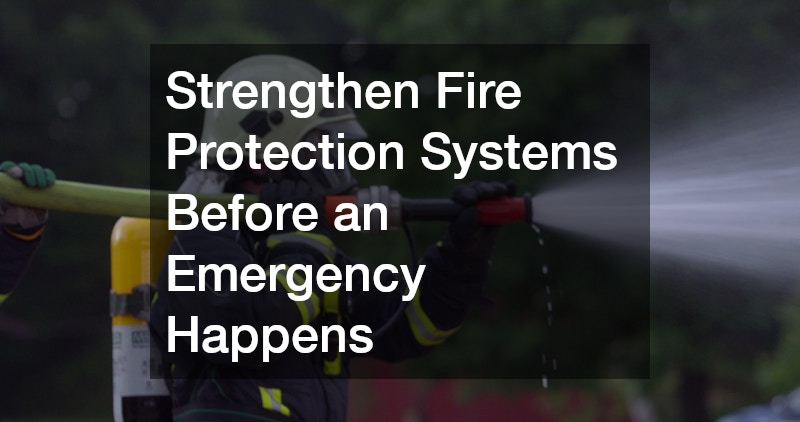
Fire safety is not an area where shortcuts should ever be taken. Whether in residential buildings, warehouses, or office spaces, preparation saves lives and protects significant financial investments. Fires can spread in minutes, and once they do, damage accelerates rapidly. Smoke inhalation, structural collapse, and water damage from suppression efforts all compound the impact.
A properly designed fire sprinkler system installation is one of the most effective forms of active fire suppression available. Unlike handheld extinguishers or manual alarm systems, sprinklers activate automatically when heat reaches a specific temperature threshold. This rapid response often controls or extinguishes flames before emergency responders arrive.
Beyond immediate safety benefits, modern systems are engineered for precision. Individual sprinkler heads activate independently, targeting only the affected area rather than soaking an entire building unnecessarily. This reduces secondary damage while maximizing effectiveness.
Why Early Planning Is Critical
Effective systems are customized based on:
-
Building layout
-
Occupancy type
-
Ceiling height
-
Local building codes
-
Water supply availability
Each of these factors influences system design. For example, high-ceiling industrial buildings may require specialized sprinkler heads to account for heat rise and airflow patterns. Residential buildings may require concealed systems that balance safety with aesthetics.
Professional fire sprinkler system installation ensures compliance and optimal performance during an emergency. Trained technicians evaluate pressure requirements, pipe routing, and head placement to eliminate blind spots where fire could spread undetected.
Planning should also consider future modifications. If a building expands, changes occupancy type, or renovates interior layouts, the sprinkler system may require adjustments. Designing with flexibility in mind reduces costly retrofits later.
Additional considerations during planning include:
-
Coordination with alarm and detection systems
-
Backup water supply solutions
-
Freeze protection in colder climates
-
Accessibility for maintenance and inspection
Insurance providers often view professionally installed fire suppression systems as a sign of reduced risk. This can result in lower premiums and improved insurability for commercial properties.
Maintenance Is Just as Important
Even well-designed systems require routine oversight:
-
Conduct regular pressure checks
-
Inspect sprinkler heads for obstruction
-
Avoid painting or covering sprinkler components
-
Schedule annual professional servicing
Dust, corrosion, accidental damage, or blocked sprinkler heads can compromise system performance. Something as simple as stacked storage too close to a sprinkler can prevent proper water distribution.
Property owners should also maintain detailed inspection records. These documents:
-
Demonstrate compliance with safety regulations
-
Support insurance claims if needed
-
Identify recurring maintenance patterns
Periodic testing of control valves and alarms ensures the entire system functions as intended. In commercial settings, local fire codes may require quarterly or semiannual inspections in addition to annual professional evaluations.
Fire suppression systems often reduce insurance premiums and provide peace of mind to property owners and tenants alike. More importantly, they provide a reliable safeguard that can dramatically reduce loss of life and property in the event of a fire.
Maintain Secure Access Points to Protect Property and Equipment
Garage doors are often the largest moving component of a building. They provide security, convenience, and protection against the elements. When they malfunction, they create safety risks and operational disruptions. In commercial settings, a failed door can halt deliveries, restrict employee access, or expose inventory to theft.
Because they operate multiple times per day in many homes and businesses, garage systems experience ongoing mechanical stress. Springs, cables, rollers, and tracks must remain balanced and aligned to function properly.
Risks of Neglect
-
Broken springs causing sudden collapse
-
Off-track doors posing injury hazards
-
Faulty auto-reverse mechanisms
-
Energy loss through poor sealing
A broken spring, in particular, can release stored tension with significant force. Attempting DIY repairs without proper tools and training can result in serious injury.
Professional garage door services ensure that mechanical components remain aligned, lubricated, and functioning safely. Technicians inspect load-bearing parts, adjust tension, and replace worn hardware before failure occurs.
Beyond safety, proper door function affects energy efficiency. Gaps in seals allow conditioned air to escape and outdoor air to enter, increasing heating and cooling costs. For businesses storing temperature-sensitive goods, this can be especially problematic.
Routine Maintenance Checklist
-
Inspect cables and springs for wear
-
Test safety sensors and auto-reverse features
-
Lubricate hinges and rollers
-
Check door balance and alignment
-
Replace weather stripping as needed
Homeowners can perform basic visual inspections monthly. However, certain components—especially torsion springs—should only be handled by trained professionals.
Additional best practices include:
-
Listen for unusual noises during operation
-
Tighten loose hardware
-
Keep tracks clean and debris-free
-
Verify remote and keypad security settings
Scheduling garage door services annually helps prevent emergency repairs and extends system lifespan. For commercial facilities with high usage, biannual inspections may be appropriate.
Modern upgrades can also improve safety and performance. Options include:
-
Smart openers with mobile monitoring
-
Enhanced insulation panels
-
Reinforced tracks for heavy-duty use
-
Battery backup systems during power outages
Investing in professional maintenance ensures reliability, reduces liability risks, and protects valuable property stored behind those doors. When access points function properly, they contribute to the overall safety and operational strength of homes and businesses alike.
Clear Out Unused Vehicles to Reclaim Space and Value

Abandoned or unused vehicles take up valuable space and can negatively impact property appearance. They may also leak fluids that harm soil and groundwater.
Programs offering junk cars for cash provide a practical solution for removing unwanted vehicles responsibly.
Why Removing Old Vehicles Matters
-
Improves curb appeal
-
Frees up driveway or yard space
-
Prevents environmental contamination
-
Eliminates safety hazards
Responsible Disposal Steps
-
Verify title ownership
-
Remove personal belongings
-
Compare offers from buyers
-
Ensure proper recycling procedures
Using junk cars for cash services turns an unused asset into immediate financial return while promoting environmental responsibility.
Choose Reliable Logistics Partners to Support Business Growth
In today’s interconnected economy, efficient delivery systems are vital. Delays or lost shipments can damage customer trust and strain supply chains.
Professional shipping services support everything from small online retailers to large manufacturers.
Evaluating a Logistics Provider
-
Reliable tracking capabilities
-
Insurance options
-
On-time delivery record
-
Transparent pricing
-
Responsive customer support
Reducing Shipping Costs
-
Optimize packaging dimensions
-
Negotiate bulk discounts
-
Compare regional carriers
-
Use consolidated shipping options
Quality shipping services contribute to operational efficiency, customer satisfaction, and long-term business growth.
Evaluate Property Thoroughly Before Buying or Selling
Real estate transactions represent major financial commitments. Overlooking hidden issues can result in unexpected repair costs.
A qualified home inspector provides objective evaluation of a property’s condition.
What Inspections Typically Cover
-
Roofing systems
-
Structural components
-
Electrical systems
-
Plumbing infrastructure
-
HVAC performance
-
Foundation integrity
Smart Buyer and Seller Strategies
-
Attend the inspection if possible
-
Review reports carefully
-
Budget for recommended repairs
-
Schedule a pre-listing inspection before selling
Working with an experienced home inspector protects both buyers and sellers from unpleasant surprises.
Keep Finances Organized to Sustain Long-Term Stability
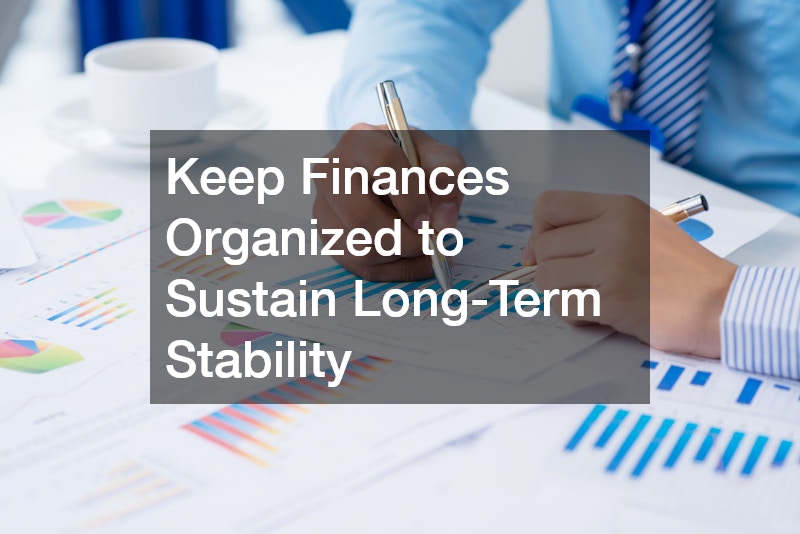
Financial clarity is foundational for both households and businesses. Disorganized records can lead to missed tax deductions, compliance issues, and cash flow challenges.
Professional accounting services provide structure, oversight, and strategic planning.
Core Services to Prioritize
-
Bookkeeping
-
Payroll management
-
Tax preparation
-
Financial forecasting
-
Audit preparation
When Professional Support Is Especially Valuable
-
Owning rental properties
-
Running a small business
-
Managing multiple income streams
-
Navigating complex tax laws
Reliable accounting services improve budgeting accuracy, reduce compliance risks, and support informed financial decisions.
Plan Outdoor Investments Carefully for Long-Term Enjoyment
Outdoor features enhance lifestyle and property value, but they require thoughtful planning and professional expertise.
Working with a reputable custom pool builder ensures proper design, permitting, and structural integrity.
Planning Considerations
-
Local zoning regulations
-
Soil and drainage conditions
-
Safety fencing requirements
-
Energy-efficient filtration systems
Choosing the Right Professional
-
Review portfolio and references
-
Verify licensing and insurance
-
Request written contracts
-
Understand warranty terms
An experienced custom pool builder helps homeowners avoid costly design mistakes and long-term maintenance challenges.
Invest in Community Health and Personal Resilience

Thriving communities are built not only on infrastructure but also on personal well-being. Access to fitness programs encourages healthier lifestyles and stronger social connections.
Kickboxing classes offer a dynamic way to improve physical and mental health.
Benefits of Structured Fitness Programs
-
Cardiovascular conditioning
-
Strength and endurance building
-
Stress reduction
-
Increased confidence
Selecting the Right Program
-
Certified instructors
-
Clean, safe facilities
-
Flexible scheduling
-
Clear membership terms
Participating in kickboxing classes or similar programs strengthens individuals while fostering community engagement and resilience.
Conclusion
The stability of homes, businesses, and communities depends on systems that function reliably behind the scenes. From infrastructure maintenance and emergency preparedness to financial organization and personal wellness, essential services create the foundation for daily life. Proactive planning, regular maintenance, and partnerships with qualified professionals reduce risks, control costs, and improve overall quality of life.
By recognizing the value of these interconnected services and investing in them consistently, individuals and organizations can build environments that are not only functional—but resilient, secure, and positioned for long-term success.