
Shipping containers are essential in the logistics and manufacturing industries. They provide a secure and efficient way to transport goods across different regions and countries. The global demand for shipping containers has increased, making it crucial for businesses to understand the dynamics of container sales. Investing in the right container is important because it affects your overall shipping cost. Knowing where to buy and what to buy can lead to significant savings in your logistics expenses.
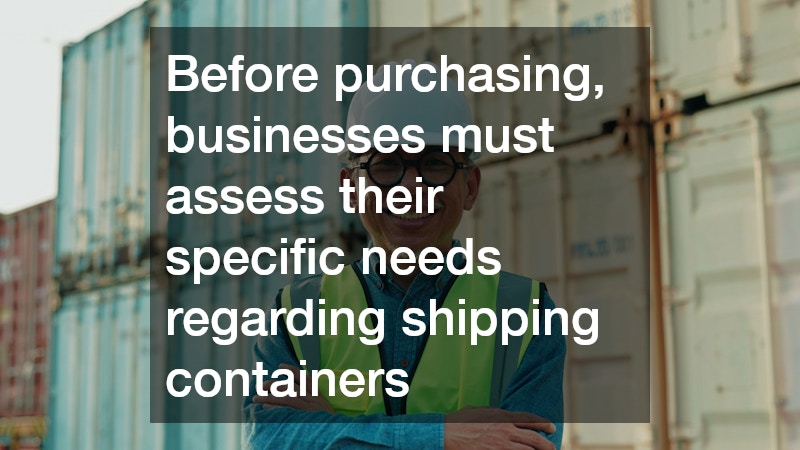
Before purchasing, businesses must assess their specific needs regarding shipping containers. Different types of containers are available, including standard, refrigerated, and open-top containers, each having its unique purpose. Aligning your business needs with the appropriate type of container ensures that you don’t overspend on unnecessary features. Additionally, understanding the legal requirements for container shipping in different regions can prevent potential legal headaches. Ensuring compliance with industry standards can ensure smooth operations and avoid costly disruptions.
Shipping container sales encompass purchasing both new and used containers. While new containers provide reliability and long-term investment, used containers can be a more economical choice. It’s pivotal to inspect used containers thoroughly to ensure they meet safety and durability standards. Businesses can often find used containers in good condition at significantly reduced prices from reputable dealers. Exploring both new and used options can uncover opportunities for maximizing savings.
Strategies for Purchasing Cost-Effective Containers
One effective strategy is to purchase containers in bulk. Bulk buying often comes with discounts and better negotiated pricing, reducing the overall expense per container. It’s beneficial to collaborate with other businesses or partners who also require containers, pooling orders to take advantage of bulk rates. This approach not only lowers costs but also strengthens business relationships with suppliers. Additionally, meticulously planning your purchase timeline to align with off-peak seasons can result in better pricing from sellers eager to clear inventory.
Leveraging supplier relationships and negotiations can also lead to cost reductions. Engaging in long-term contracts with suppliers can provide opportunities for consistently favorable pricing. It’s about building a relationship where your business is seen as a recurring customer rather than a one-time buyer. This may involve discussing custom agreements that tightly fit your business model and include loyalty bonuses. Evaluating and maintaining robust relationships with suppliers ensures you receive priority treatment and competitive pricing offers.
Exploring multiple suppliers and comparing their products and prices is a fundamental savings practice. The internet provides a vast platform to access and compare shipping container prices from various global suppliers. By obtaining quotes from multiple sources, businesses can ensure they receive the best value for their investment. Moreover, considering local suppliers can save on transportation and logistics costs associated with importing containers from overseas. Price comparison, negotiation, and supplier evaluation are key to securing the most cost-effective container solutions.
Alternative Cost-Reduction Methods for Shipping Containers
Renting containers instead of buying them can be a flexible and economical solution, especially for short-term projects. Renting eliminates the upfront cost and responsibilities associated with ownership. It allows businesses to scale container usage according to demand fluctuations, maintaining operational efficiency without heavy investments. This flexibility is beneficial for companies with seasonal or irregular shipping needs. Moreover, rental services often include maintenance and repair provisions, minimizing additional expenditure concerns.
Repurposing or recycling existing containers is another sustainable method to save costs. Businesses can creatively use old containers for storage or convert them into office spaces or temporary facilities. These innovative uses can reduce the need for additional infrastructure investments, offering savings and versatility. The fact that containers are built for durability and structural integrity opens a realm of repurpose applications. Investigating and capitalizing on these possibilities can extend the utility of containers beyond their conventional lifespan.
Additionally, leveraging technology to optimize container usage can significantly impact costs. Implementing inventory management systems and tracking technologies can ensure containers are used and returned efficiently. These systems minimize idle time and prevent unnecessary container purchases. Such technological investments can lead to long-term savings by enhanced operational efficiencies. IoT solutions and asset-tracking software offer insights into container utilization, opening avenues for real-time optimization and resource management.
Saving on shipping containers for your business requires a strategic approach that blends informed purchasing decisions with creative alternatives. By thoroughly understanding your needs and the container market, as well as considering purchasing strategies and alternative solutions, businesses can achieve substantial cost savings. Emphasizing negotiation and supplier relationships ensures that you are accessing competitive rates and favorable terms. The right combination of strategic thinking and resource management can lead to a decrease in logistics spending and a stronger bottom line.
Ultimately, investing in the right shipping container solutions equips your business to navigate the complex logistics landscape efficiently. As global trading processes become increasingly competitive, controlling shipping costs is more critical than ever for profitability. Your ability to leverage container sales knowledge and innovate in container usage can set your business apart by maintaining cost efficiency and improving service deliverables. Being proactive and adaptable in your container procurement strategy ensures continued business success in a dynamic market.
In conclusion, achieving savings on shipping containers is a multifaceted challenge involving strategic purchasing, wise resource utilization, and embracing innovation. The benefits derived from prudent container management extend beyond cost savings, fostering resilience and adaptability in your business operations. By staying informed, strategically assessing needs, and efficiently managing resources, you can create impactful savings that bolster your business’s growth and success.