A healthy, motivated workforce can have a major impact on productivity, retention, collaboration, and the overall stability of a business. Employees who feel supported are often more engaged in their work, more willing to contribute ideas, and better equipped to handle daily responsibilities. Improving health and morale does not necessarily require sweeping organizational changes. Many of the most effective improvements come from practical investments in workplace safety, comfort, recognition, communication, and employee experiences.
Businesses can strengthen employee well-being by looking at both the physical environment and the culture surrounding it. That may include improving workspaces, recognizing achievements, planning team events, supporting safe travel, or simply making daily routines more convenient. When these efforts are consistent, they can contribute to a workplace where employees feel valued and supported.
Create a Safer Physical Work Environment
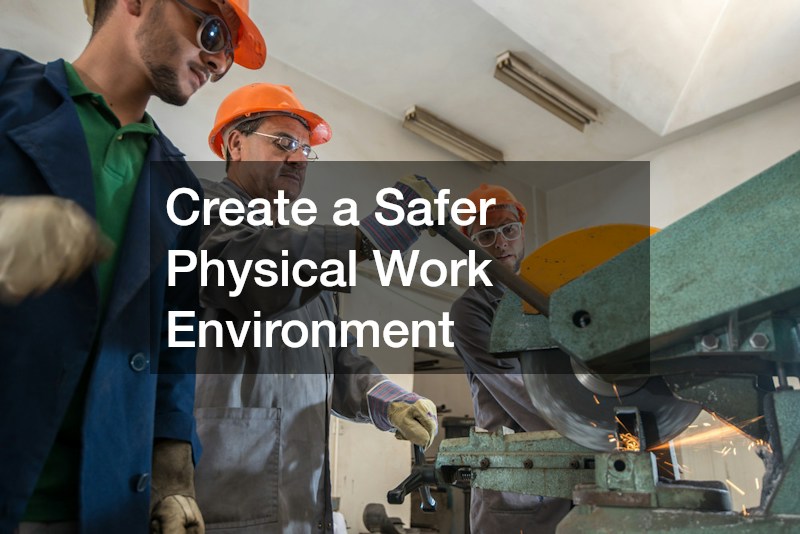
Employee well-being begins with a safe workplace. Businesses should regularly review their facilities for hazards that could affect workers over time, including poor ventilation, damaged materials, outdated building systems, or potentially hazardous substances.
Older commercial buildings may require specialized inspections before renovations or maintenance projects begin. If asbestos-containing materials are suspected, working with a qualified local asbestos removal provider can help businesses address potential exposure risks before employees or contractors are affected. Handling these concerns proactively can also prevent unnecessary disruptions later.
Routine safety checks should extend beyond major environmental hazards. Lighting, flooring, emergency exits, storage practices, air quality, and electrical systems should all be reviewed periodically. Employees should also have a clear process for reporting maintenance problems or safety concerns without unnecessary delays.
A workplace that feels physically safe allows employees to focus more attention on their responsibilities rather than worrying about avoidable hazards.
Make Workspaces More Comfortable and Functional
Comfort has a direct influence on how employees experience their workday. Poorly organized spaces, inadequate storage, uncomfortable workstations, and clutter can create unnecessary frustration.
Businesses can improve workspace design by evaluating how employees actually use their environment. Storage solutions, work surfaces, shared areas, and break spaces should support daily workflows rather than interfere with them. In some cases, a custom cabinetry service can help create storage systems that are designed specifically for an office, production area, medical facility, or other commercial environment.
Purpose-built storage can reduce clutter and make frequently used materials easier to access. It can also help businesses keep communal areas more organized.
Furniture placement matters as well. Employees should have enough room to move comfortably, collaborate when necessary, and find quieter areas for focused tasks. Natural lighting, plants, comfortable seating, and clean break rooms can also contribute to a more inviting atmosphere.
Small physical improvements can make the workplace feel more intentional and demonstrate that employee comfort is taken seriously.
Encourage Employees to Take Meaningful Breaks
Employees often perform better when they have opportunities to step away from their tasks periodically. Long stretches of uninterrupted work can contribute to fatigue, reduced concentration, and frustration.
Managers can encourage healthy breaks by creating a culture where employees feel comfortable using their allotted break time. Break rooms should be clean, accessible, and separate enough from primary work areas to provide a genuine change of environment.
Food can also play a role in creating positive workplace experiences. Occasional lunch catering can give employees a chance to eat together without needing to leave the office or plan individual meals. Catered lunches may work particularly well during training sessions, busy project periods, employee appreciation days, or team meetings.
The goal does not have to be elaborate. Even a simple shared meal can create an informal setting where employees interact outside their usual work responsibilities.
Recognize Accomplishments Consistently
Recognition can have a significant influence on morale. Employees want to know that their effort and contributions are noticed, especially when they have completed difficult projects, improved performance, or supported coworkers.
Recognition programs should be consistent and meaningful rather than limited to annual reviews. Managers can acknowledge employees through team meetings, company announcements, handwritten notes, milestone celebrations, or formal awards.
Recognition does not always need to focus on sales or measurable production goals. Businesses can also acknowledge teamwork, customer service, safety performance, mentorship, reliability, creativity, and professional growth.
The most effective recognition tends to be specific. Instead of offering a generic compliment, managers can explain exactly what the employee did and how it benefited the organization or team.
This approach helps employees understand which behaviors the company values while also reinforcing a sense of purpose.
Plan Events That Strengthen Team Relationships
Employees who know and trust their coworkers may find it easier to communicate, collaborate, and resolve challenges. Team-building events can help create those relationships outside the usual workplace environment.
Events do not need to revolve around formal activities. A company picnic, holiday gathering, volunteer day, recreational outing, or casual team dinner can provide opportunities for employees to interact more naturally.
For outdoor gatherings, businesses may work with company picnic caterering services to simplify food preparation and allow employees to focus on enjoying the event. A well-organized picnic can include employees and their families, games, music, and relaxed social time.
Larger organizations may also host annual celebrations at a local reception venue. Using a dedicated event space can make it easier to accommodate larger groups while providing employees with an experience that feels distinct from a regular workday.
These events can be especially valuable after demanding periods, major company milestones, or the completion of long-term projects.
Support a Stronger Sense of Team Identity
Employees often feel more connected to an organization when there is a strong sense of shared identity. Businesses can build this connection through internal communication, common goals, and branded materials.
Company apparel is one simple way to create a greater sense of unity. Businesses may use screen printing for shirts, jackets, hats, or event apparel featuring company logos or team-specific designs.
Branded clothing can be useful during volunteer projects, trade shows, company outings, community events, and employee appreciation programs. Employees may also appreciate receiving high-quality company apparel as an occasional gift.
The key is to make these materials practical rather than forcing employees to wear items they do not want or need. Comfortable, useful apparel tends to be received more positively and can help employees feel like they are representing a shared organization.
Make Business Travel Less Stressful
Travel can be exciting, but frequent business trips can also create fatigue. Employees may need to manage flights, hotel reservations, ground transportation, schedules, receipts, and unexpected changes while still completing their regular work.
Businesses can reduce this burden by creating clear travel policies and simplifying booking procedures. Working with a travel agency can be useful when employees regularly attend conferences, meetings, training sessions, or industry events.
Centralized travel support can help employees avoid spending excessive time comparing flights, coordinating hotels, or resolving booking issues.
Managers should also consider the physical impact of travel. Employees returning from long trips may benefit from reasonable scheduling rather than immediately being assigned early meetings or extended workdays.
Reducing unnecessary travel stress shows employees that productivity is not the only consideration. Their comfort and ability to recover from demanding schedules also matter.
Improve the Experience of Industry Events
Trade shows, conferences, and exhibitions can create valuable opportunities for professional growth, but they can also involve long days and significant preparation.
Employees representing a company at an event should have the resources needed to perform their roles efficiently. Well-designed trade show booths can make event participation easier by providing organized displays, comfortable working areas, accessible marketing materials, and clear branding.
Businesses should also avoid assigning employees unrealistic schedules at these events. Standing for hours, speaking with attendees continuously, and handling setup or breakdown tasks can be exhausting.
Rotating responsibilities, scheduling breaks, providing meals, and ensuring adequate staffing can improve the experience considerably.
When employees attend trade shows for professional development rather than sales, companies can encourage them to participate in educational sessions, networking opportunities, and workshops. Giving employees time to learn rather than expecting them to remain at a booth throughout the entire event can increase the long-term value of attendance.
Celebrate Personal and Professional Milestones
Employees experience many important milestones during their time with a company. Work anniversaries, promotions, certifications, completed training programs, weddings, births, retirements, and major achievements can all provide opportunities for thoughtful recognition.
Small gestures often have a meaningful impact. Floral deliveries, for example, may be appropriate for certain milestones or occasions, particularly when an organization wants to acknowledge an employee personally.
Other options might include gift cards, handwritten notes, additional paid time off, public recognition, or a team celebration.
Businesses should remember that employees differ in how they prefer to be recognized. Some enjoy public acknowledgment, while others appreciate quieter gestures. Managers who know their teams can choose recognition methods that feel appropriate rather than overly standardized.
Give Employees Opportunities to Develop
Professional development can also improve morale because employees are more likely to remain engaged when they can see opportunities for growth.
Training does not always need to involve expensive external programs. Businesses can offer mentorship, cross-training, job shadowing, internal workshops, or access to educational resources.
Employees can also be given opportunities to attend conferences, industry events, and professional association meetings. These experiences can expose them to new ideas while helping them build professional networks.
Managers should discuss career interests during regular check-ins. Understanding where employees want to develop can help businesses create training opportunities that are relevant to both organizational needs and individual goals.
Development programs are most effective when employees can see how new skills may lead to greater responsibility, expanded roles, or future advancement.
Improve Everyday Communication
Poor communication can quickly damage morale. Employees may become frustrated when expectations are unclear, decisions are announced without context, or important information reaches different teams at different times.
Businesses can improve communication by establishing predictable channels for updates. Regular meetings, internal newsletters, project management platforms, and brief management check-ins can all help.
Communication should also move in both directions. Employees need opportunities to raise concerns, share ideas, and provide feedback.
Anonymous surveys can be helpful, but they should not replace direct conversations. Managers who regularly speak with employees may notice potential problems earlier and address them before they become larger sources of dissatisfaction.
When major changes occur, leadership should explain what is changing, why it is happening, and how employees may be affected. Transparency can reduce uncertainty even when employees may not agree with every decision.
Encourage Work-Life Balance
A workplace that consistently demands excessive hours can undermine morale regardless of how many employee appreciation programs it offers. Sustainable workloads are essential for long-term employee health.
Managers should monitor workloads carefully and avoid treating constant overtime as a sign of dedication. If employees regularly need extra hours to complete normal responsibilities, staffing levels, workflows, or deadlines may need to be reconsidered.
Flexible scheduling can also support employees when job responsibilities allow it. Adjusted start times, hybrid work arrangements, or occasional remote work may help employees manage family responsibilities, appointments, or commuting challenges.
Businesses should also respect time away from work. Employees who are on vacation or using personal time should not routinely be expected to monitor messages or respond to routine requests.
Healthy boundaries allow employees to return to work with more energy and focus.
Create Opportunities for Shared Experiences
Positive workplace culture often develops through repeated shared experiences rather than one major event. Businesses can create these moments throughout the year.
Seasonal lunches, volunteer projects, wellness challenges, employee appreciation days, milestone celebrations, and informal gatherings can all create opportunities for employees to connect.
These events should remain optional whenever possible. Employees have different schedules, personalities, and responsibilities outside work, and morale initiatives can have the opposite effect if participation feels mandatory.
Companies can also ask employees what types of events they would actually enjoy. Some teams may prefer outdoor gatherings, while others might enjoy catered meals, charitable projects, sports outings, or family-friendly activities.
Employee input makes it easier to invest in activities that genuinely improve morale.
Build a Culture of Appreciation
Improving employee health and morale is rarely the result of one program. It comes from the combination of a safe environment, reasonable workloads, thoughtful recognition, comfortable spaces, professional growth, and positive relationships.
Businesses can begin by evaluating the everyday employee experience. Workplace improvements may involve facility upgrades, better communication, shared meals, professional travel support, team events, or recognition programs. Even modest changes can become meaningful when employees see that leadership follows through consistently.
A healthy workplace culture develops when employees feel respected as people rather than viewed only as a source of productivity. By investing in safety, comfort, development, connection, and appreciation, businesses can create an environment where employees are better positioned to stay engaged, collaborate effectively, and contribute over the long term.